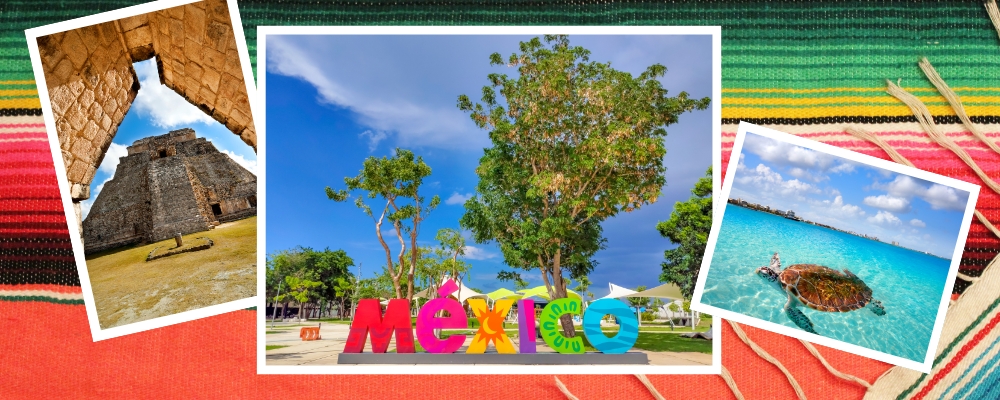
Few destinations on Earth capture the imagination quite like Mexico. This vibrant country, stretching from the sun-drenched beaches of the Caribbean to the rugged peaks of the Sierra Madre, offers travelers an intoxicating blend of ancient civilizations, colonial splendor, natural wonders, and warm hospitality that has made it one of the world’s most beloved travel destinations. Whether you’re planning your first Mexican adventure or returning to explore deeper corners of this magnificent country, you’ve arrived at the right place to begin your journey. Let’s Visit Mexico!
Why Mexico Should Be Your Next Destination
Mexico stands as the sixth most visited country globally, and for excellent reason. This nation of contrasts delivers experiences that cater to every type of traveler. Beach enthusiasts discover paradise along thousands of miles of pristine coastline. History buffs walk among pyramids that rival Egypt’s architectural wonders. Food lovers embark on culinary journeys that have earned Mexican cuisine UNESCO World Heritage status. Adventure seekers find endless opportunities for diving, hiking, surfing, and exploration. And cultural travelers immerse themselves in traditions that stretch back millennia while experiencing the vibrant energy of contemporary Mexican life.
The beauty of traveling in Mexico lies not just in its diverse attractions but in its accessibility. With competitive prices compared to other major tourist destinations, Mexico offers remarkable value without compromising on experience. Your dollar, euro, or pound stretches further here, allowing you to indulge in luxurious accommodations, exquisite dining, and unforgettable excursions that might break the bank elsewhere.
Understanding Mexico’s Geographic Diversity
To truly appreciate Mexico as a travel destination, you must first understand its extraordinary geographic diversity. This is not a country you can categorize simply. Spanning nearly two million square kilometers, Mexico encompasses tropical jungles, arid deserts, temperate highlands, volcanic peaks, and coastlines along both the Pacific Ocean and the Caribbean Sea.
The Baja California Peninsula stretches like a long finger into the Pacific, offering some of the world’s finest sport fishing, whale watching opportunities, and desert landscapes that transition dramatically to seaside cliffs. The Pacific Coast proper extends from the surf towns of the north through the sophisticated resort cities of Puerto Vallarta and Manzanillo to the laid-back beaches of Oaxaca.
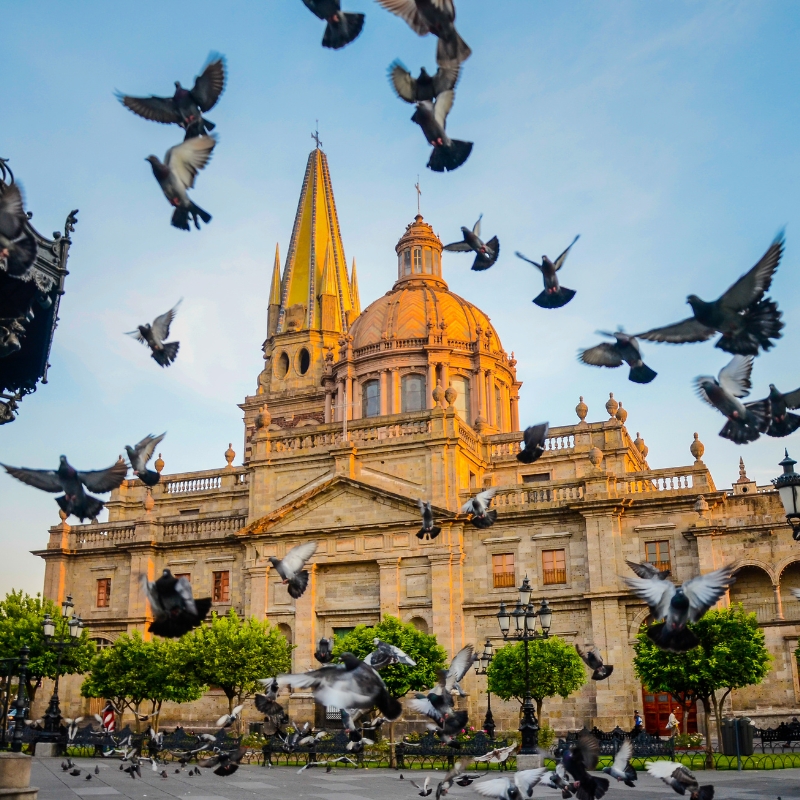
Central Mexico, often called the heartland, sits at elevations that keep temperatures mild year-round. Here you’ll find Mexico City, one of the world’s great capital cities, alongside colonial gems like Guanajuato, San Miguel de Allende, and Querétaro. This region represents the historical and cultural core of Mexican civilization.
The Yucatan Peninsula projects into the Caribbean, offering the famous Riviera Maya coastline with its impossibly blue waters and white sand beaches. Beyond the beaches, the Yucatan holds dense jungle concealing Mayan ruins and the world’s longest underground river system, featuring thousands of cenotes—natural sinkholes filled with crystal-clear water.
Southern Mexico, including the states of Oaxaca and Chiapas, presents perhaps the most culturally rich and least commercially developed regions. Indigenous traditions remain vibrant here, and the landscapes range from Pacific beaches to highland coffee plantations and misty cloud forests.
Northern Mexico, often overlooked by international travelers, rewards those who venture there with canyon systems deeper than the Grand Canyon, desert wine country producing world-class vintages, and cities blending Mexican culture with northern frontier spirit.
The Rich Tapestry of Mexican Culture
Travel to Mexico means immersing yourself in a culture that honors its past while embracing its present. The Mexican identity weaves together indigenous heritage, Spanish colonial influence, and contemporary creativity into something entirely unique.
The indigenous civilizations that flourished here—the Maya, Aztec, Zapotec, Mixtec, and dozens of others—left architectural marvels, sophisticated astronomical knowledge, and cultural practices that continue today. When you visit Mexico, you’re not simply viewing ruins as museum pieces; you’re engaging with living cultures. Indigenous languages are still spoken by millions, traditional clothing is worn with pride, and ancient ceremonies continue in villages throughout the country.
The Spanish colonial period, lasting three centuries, left an indelible mark visible in the stunning architecture of Mexican cities. Colonial centers feature magnificent cathedrals, elegant plazas, and pastel-colored buildings with flower-filled courtyards. This era also introduced Catholicism, which blended with indigenous beliefs to create unique Mexican religious expressions like the Day of the Dead celebrations.
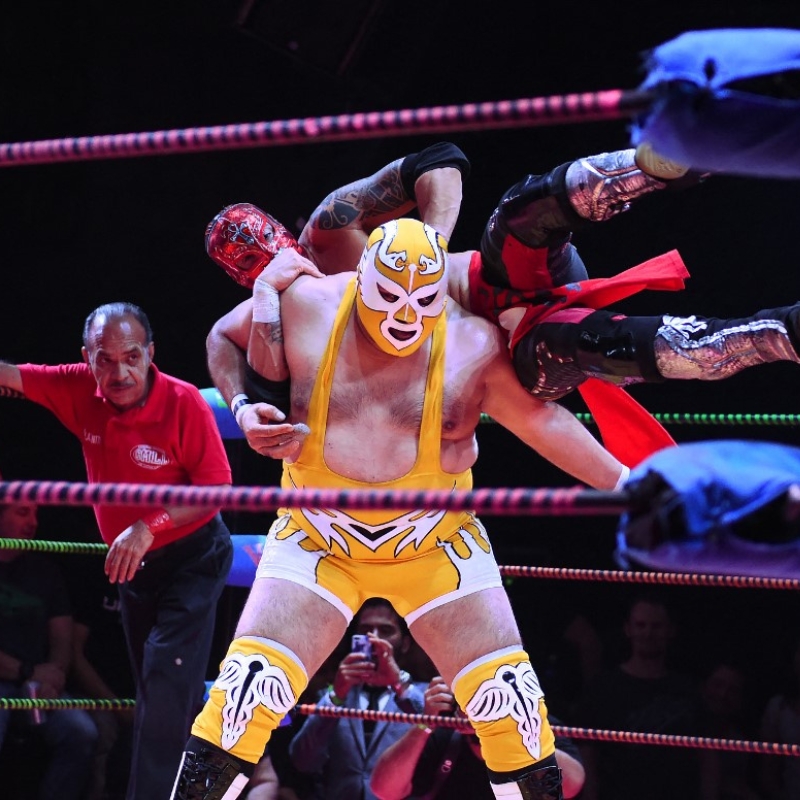
Modern Mexico pulses with creative energy. Mexican muralists like Diego Rivera, David Alfaro Siqueiros, and José Clemente Orozco created works that changed the art world. Contemporary Mexican artists, filmmakers, and designers continue pushing creative boundaries. Mexican popular culture, from lucha libre wrestling to mariachi music, from telenovelas to street art, bursts with color, passion, and life.
When you travel around Mexico, you’ll encounter this cultural richness everywhere—in the museums and galleries of Mexico City, in the craft markets of Oaxaca, in the music floating from cantinas, in the festivals that seem to happen in every town every week. Mexican culture doesn’t stay behind velvet ropes; it’s lived, shared, and celebrated daily.
Mexican Cuisine: A Feast for the Senses
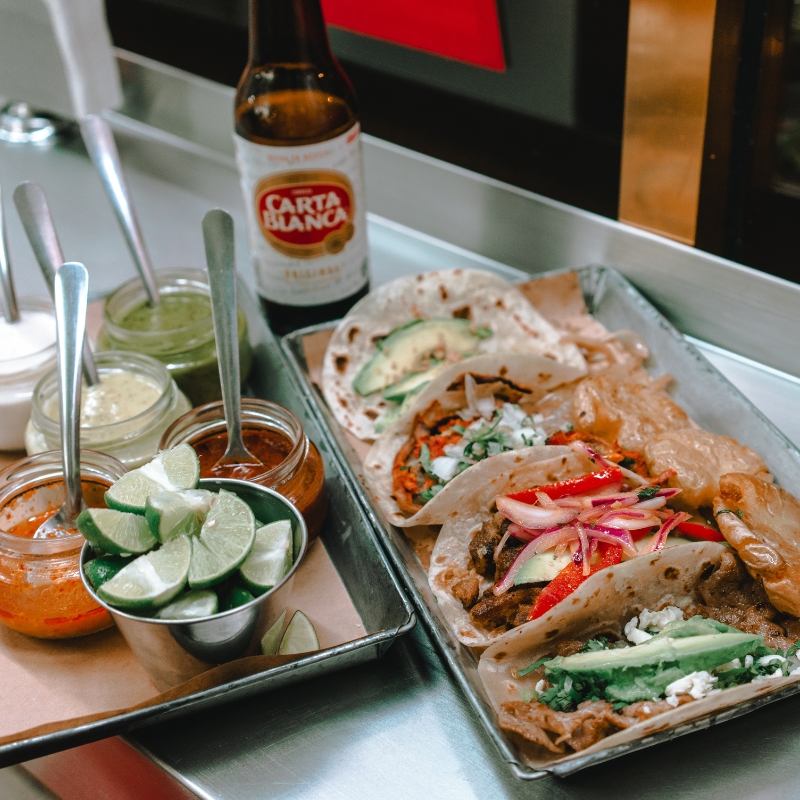
No discussion of travel in Mexico would be complete without celebrating Mexican food. This is a cuisine that has evolved over thousands of years, combining indigenous ingredients like corn, beans, chiles, tomatoes, cacao, and vanilla with Spanish imports like pork, chicken, cheese, and wheat. The result is a culinary tradition so significant that UNESCO recognized it as an Intangible Cultural Heritage of Humanity.
Mexican cuisine varies dramatically by region. The moles of Oaxaca, complex sauces that might contain thirty ingredients and take days to prepare, differ entirely from the fresh ceviches of the coastal regions or the hearty meat dishes of the north. The Yucatan Peninsula has its own distinct culinary tradition featuring dishes like cochinita pibil (slow-roasted pork) and papadzules (egg-filled tortillas in pumpkin seed sauce).
Visiting Mexico offers food experiences at every level. Street food vendors serve phenomenal tacos, tamales, and tortas at prices that seem impossibly low. Local markets bustle with regional specialties and fresh ingredients. Family-run restaurants, often featuring recipes passed down through generations, offer authentic home cooking. And increasingly, Mexico’s fine dining scene earns international recognition, with Mexico City now hosting several restaurants ranked among the world’s best.
For travelers, exploring Mexican food is an adventure in itself. Each region, each town, each market stall offers something different. The beautiful part is that even the humblest taco stand might serve food so delicious it becomes a highlight of your entire trip. Mexican culinary culture values flavor, tradition, and the social act of eating together—meals here are celebrations, not just fuel.
Planning Your Mexican Adventure
Mexico welcomes visitors year-round, but the timing of your visit affects your experience. Understanding Mexico’s seasons helps you plan the perfect trip.
The dry season, running from November through April, represents peak travel time, especially for beach destinations. Weather during these months is reliably sunny and pleasant, with lower humidity and minimal rainfall. This is ideal beach weather but also the busiest and most expensive period, particularly around Christmas, New Year, and Easter.
The rainy season, from May through October, brings afternoon showers, especially in southern and central regions. Many travelers avoid this period, but visiting Mexico during these months has advantages: lower prices, fewer crowds, and landscapes at their most lush and green. The rain typically arrives in predictable afternoon bursts, leaving mornings free for activities. Hurricane season, June through November, poses some risk to coastal areas, but direct hits are relatively rare.
Choosing where to go in Mexico depends on your interests. First-time visitors often gravitate toward established destinations that offer easy logistics and diverse experiences. The Riviera Maya provides beaches, Mayan ruins, and tourist infrastructure. Mexico City delivers culture, history, museums, and gastronomy. Oaxaca offers indigenous culture, colonial architecture, and culinary traditions. Puerto Vallarta combines beach relaxation with charming town atmosphere.
Off the Beaten Path?
Travelers seeking less touristed experiences might explore San Cristobal de las Chiapas, a highland town surrounded by indigenous villages. Guanajuato, a UNESCO World Heritage city built into a ravine, offers colonial beauty without the crowds of more famous destinations. The Pacific Coast of Oaxaca provides gorgeous beaches with a laid-back vibe far removed from resort development.
Adventure travelers find Mexico endlessly rewarding. Copper Canyon in the north offers hiking and scenery rivaling anywhere on Earth. The cenotes of the Yucatan provide unique swimming and diving opportunities. The Baja Peninsula attracts surfers, kayakers, and marine life enthusiasts. Mexico’s numerous national parks protect everything from monarch butterfly sanctuaries to active volcanoes you can climb.
Considerations for Traveling in Mexico
Understanding practical matters helps your Mexican travels proceed smoothly. Mexico offers excellent tourism infrastructure in major destinations, with accommodations ranging from budget hostels to world-class luxury resorts. Getting around Mexico presents multiple options depending on your comfort level and budget.
Air travel is the quickest way to cover Mexico’s vast distances. Major cities and tourist destinations have airports served by both Mexican carriers and international airlines. Budget airlines have made flying within Mexico surprisingly affordable.
Mexico’s bus system ranks among the world’s best, with modern, comfortable coaches connecting virtually every destination. First-class buses offer reclining seats, air conditioning, and sometimes meals, all at reasonable prices. Bus travel in Mexico lets you see the countryside while meeting locals and experiencing Mexican life beyond tourist zones.
Driving in Mexico appeals to independent travelers. Roads vary from excellent toll highways to rough rural routes, but renting a car provides flexibility to explore at your own pace. Gas stations and services are readily available on main routes.
Within cities, transportation options include taxis, ride-sharing services, metro systems in major cities, and local buses. Walking remains the best way to explore colonial centers and neighborhoods.
Accommodation Options
Accommodation choices span every budget and style. All-inclusive beach resorts provide hassle-free vacations with everything included. Boutique hotels in colonial buildings offer charm and character. Hostels cater to budget travelers and those seeking social atmospheres. Vacation rentals let you live like a local. Even luxury camping and eco-lodges have emerged for travelers seeking nature immersion with comfort.
Spanish language skills enhance your Mexican experience, though many people in tourist areas speak English. Learning basic Spanish phrases shows respect and opens doors. Mexicans typically appreciate when visitors attempt to speak Spanish, and even fumbling efforts usually meet with encouragement and patience.
Safety concerns sometimes discourage potential visitors, but millions of travelers explore Mexico safely every year. Like anywhere, exercising common sense prevents most problems. Stick to established tourist areas when you’re unfamiliar with a place. Avoid displaying expensive items. Use registered taxis or ride-sharing services. Stay aware of your surroundings. The vast majority of visitors encounter nothing but warmth and hospitality.

Experiencing Mexico’s Natural Wonders
Beyond culture and cuisine, Mexico’s natural beauty astounds visitors. This country contains dramatic landscapes and ecosystems ranging from coral reefs to cloud forests, from desert to jungle, from underground rivers to volcanic peaks.
The Mesoamerican Barrier Reef, running along the Caribbean coast, is the world’s second-largest reef system. Snorkeling and diving here reveals tropical fish, sea turtles, rays, and during certain seasons, whale sharks—the world’s largest fish. The Pacific coast offers different but equally impressive marine encounters, from breaching humpback whales to surfable waves.
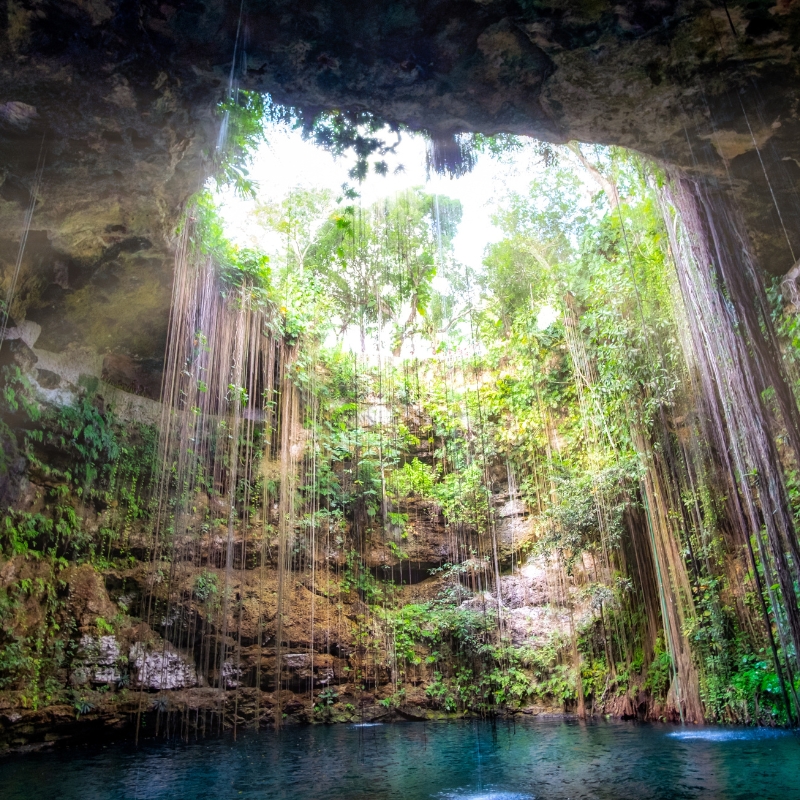
Mexico’s cenotes, found primarily in the Yucatan Peninsula, provide experiences found nowhere else. These limestone sinkholes, filled with incredibly clear fresh water, served as sacred sites for the Maya. Today they offer swimming, snorkeling, and diving in otherworldly environments where sunlight streams through openings in the earth.
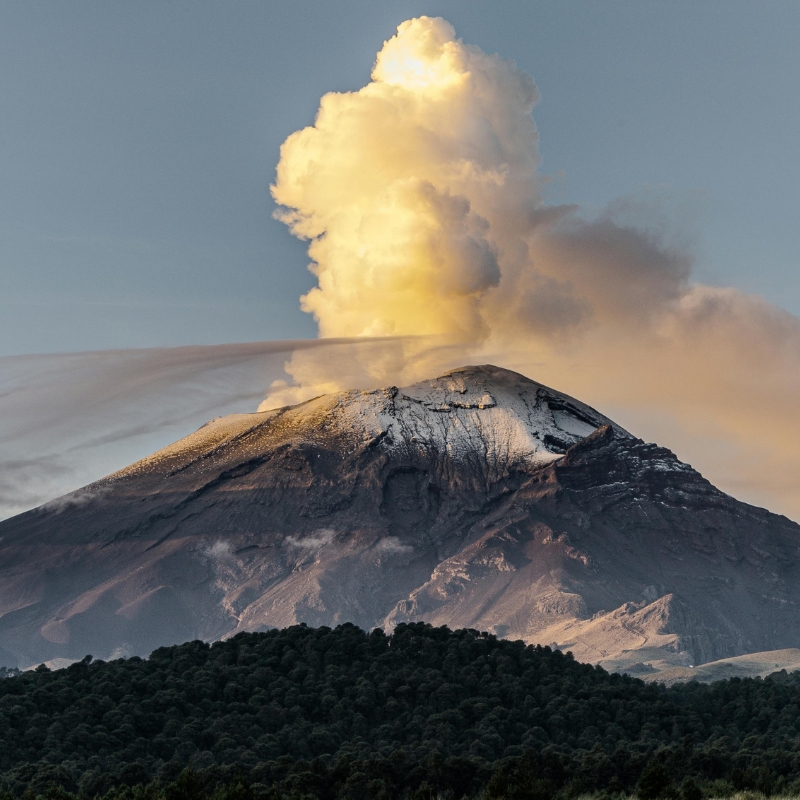
Mountain ranges running through Mexico create diverse ecosystems at different elevations. The highlands surrounding Mexico City feature extinct volcanoes you can climb, pine forests, and lakes. Further south, cloud forests shroud mountainsides in mist, harboring unique wildlife and plants. The northern deserts of Baja and Sonora present stark beauty adapted to extreme conditions, including the iconic saguaro cactus and unique desert wildlife.
Mexico protects much of this natural heritage through an extensive national park system. Biosphere reserves safeguard critical ecosystems, from the monarch butterfly sanctuaries in Michoacan to the wetlands of Sian Ka’an. Whale watching in Baja brings you face-to-face with gray whales in their breeding lagoons. Bird watchers find Mexico a paradise, as the country serves as home or migration route for over a thousand species.
Mexico’s Historical and Archaeological Treasures
Traveling in Mexico means walking through thousands of years of history. The archaeological sites scattered throughout the country rank among humanity’s most impressive achievements.
The Maya civilization left spectacular ruins across southeastern Mexico. Chichen Itza, one of the New Seven Wonders of the World, draws enormous crowds to see the pyramid of Kukulcan and the sacred cenote. But dozens of other Mayan sites offer equally impressive experiences with fewer tourists. Palenque, set in Chiapas jungle, features elegant architecture and detailed carvings. Calakmul, deep in the forest near the Guatemala border, lets you experience ruins in a truly wild setting, with howler monkeys providing the soundtrack. Uxmal showcases Puuc architectural style with its intricate stone mosaics. Tulum perches dramatically on cliffs overlooking the Caribbean, combining ruins with beach paradise.
Central Mexico preserves the legacy of the Aztec empire and earlier civilizations. Teotihuacan, just outside Mexico City, features massive pyramids that predate the Aztecs by centuries. Climbing the Pyramid of the Sun, you stand where ancient peoples performed ceremonies over a thousand years ago. The Templo Mayor in Mexico City’s historic center reveals layers of Aztec civilization literally beneath the modern city. Monte Alban in Oaxaca demonstrates the sophistication of Zapotec culture, with its mountaintop plaza offering commanding views and well-preserved structures.
These archaeological sites aren’t dead monuments—they’re windows into sophisticated civilizations that developed advanced astronomy, mathematics, architecture, and art. Many sites still hold significance for indigenous communities, and you may witness ceremonies blending ancient traditions with contemporary practice.
Colonial History
Colonial history lives in Mexico’s cities. The historic center of Mexico City, built atop the Aztec capital, contains the largest concentration of colonial buildings in the Americas. Puebla dazzles with its Talavera-tiled churches and buildings. Guanajuato’s colorful houses climb the sides of a ravine, with underground streets originally built as flood channels. San Miguel de Allende preserves colonial character so successfully that the entire town is a UNESCO World Heritage Site. Morelia’s pink stone cathedral and aqueduct exemplify colonial architecture at its finest.
Museums throughout Mexico preserve and present this history. The National Museum of Anthropology in Mexico City houses the world’s finest collection of pre-Columbian artifacts. Regional museums in places like Oaxaca, Merida, and Guadalajara provide context for local history and culture. House museums show how different classes lived during various periods. Folk art museums celebrate Mexico’s continuing craft traditions.
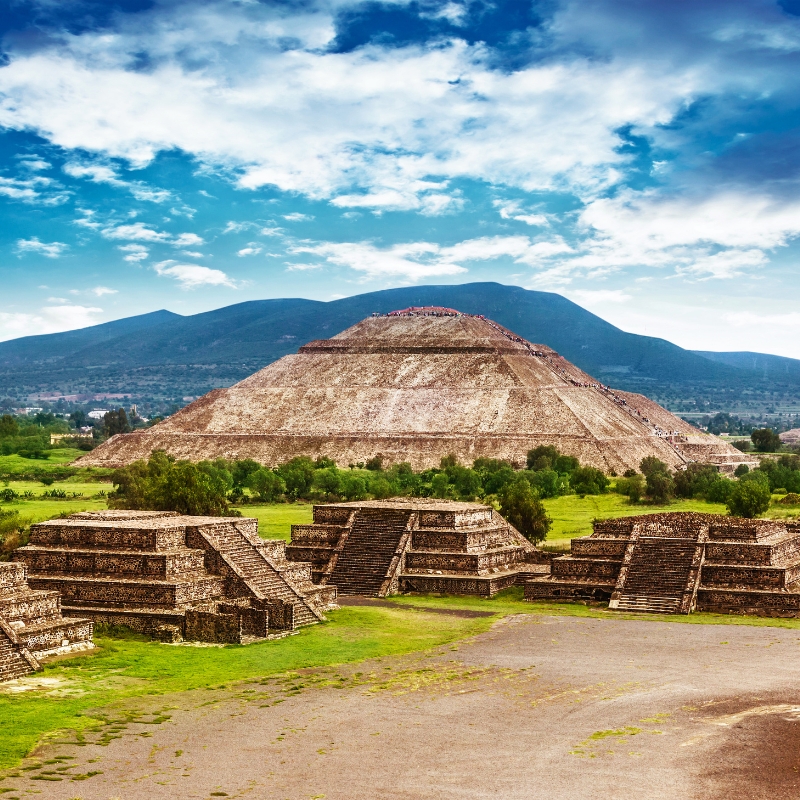
Festivals and Celebrations: Mexico’s Spirit of Fiesta
Mexico celebrates life with an enthusiasm that proves infectious to visitors. Practically every week brings a festival somewhere, whether major national celebrations or local village fiestas honoring patron saints.
Day of the Dead, celebrated November 1-2, represents perhaps Mexico’s most distinctive cultural tradition. Far from being morbid, these celebrations honor deceased loved ones with joy, color, and humor. Families create elaborate altars decorated with marigolds, candles, photos, and favorite foods of the departed. Cemeteries transform into social gatherings where people picnic, tell stories, and maintain connections with ancestors. Experiencing Day of the Dead in places like Oaxaca, Patzcuaro, or Mexico City provides profound insight into Mexican attitudes toward death and life.
Holy Week, the week before Easter, sees elaborate processions and passion plays throughout Mexico. Colonial cities like San Miguel de Allende and Taxco host particularly impressive celebrations, with somber processions carrying religious statues through cobblestone streets lit by candlelight.
Independence Day on September 16 explodes with patriotic fervor. The night before, crowds gather in town squares for the Grito, a reenactment of the cry for independence, followed by fireworks, music, and festivities continuing into the following day.
Regional festivals celebrate local traditions, harvests, and patron saints. Oaxaca’s Guelaguetza in July showcases indigenous dances, music, and costumes from throughout the state. Guadalajara’s October International Mariachi Festival fills the city with traditional music. Carnival celebrations in Veracruz, Mazatlan, and other cities rival anything you’d find in New Orleans or Rio.
Religious pilgrimages form another important aspect of Mexican spiritual life. The Basilica of Our Lady of Guadalupe in Mexico City receives millions of pilgrims annually, making it one of Catholicism’s most visited sites. Witnessing pilgrims arrive on foot, sometimes having walked for days or weeks, reveals the depth of Mexican faith.
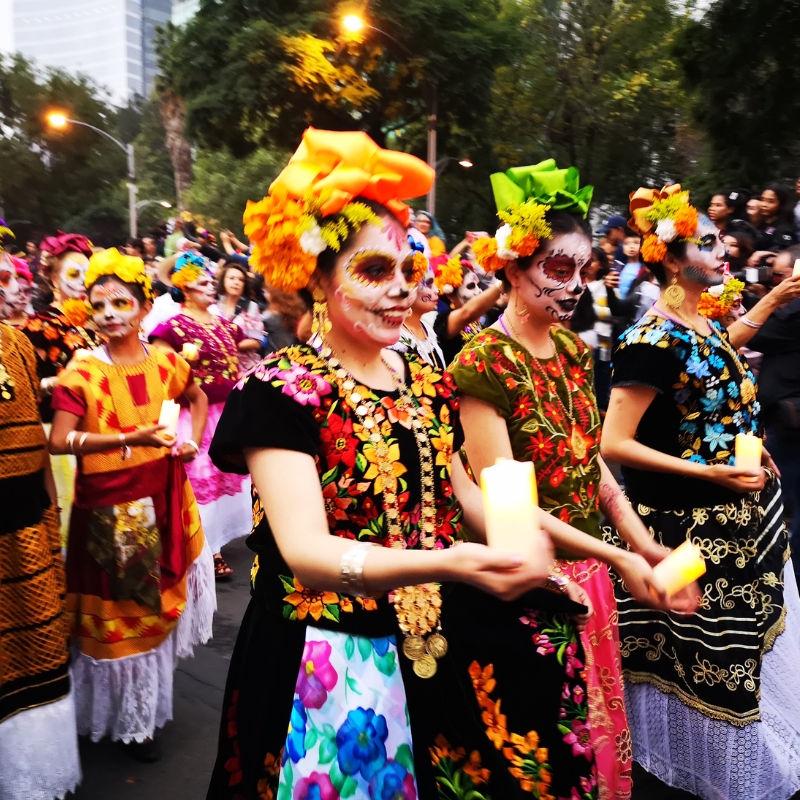
Mexican Arts and Crafts: Living Traditions
Mexico’s artistic traditions aren’t confined to museums—they’re living practices passed through generations. Traveling around Mexico introduces you to artisans creating beautiful objects using techniques hundreds or thousands of years old.
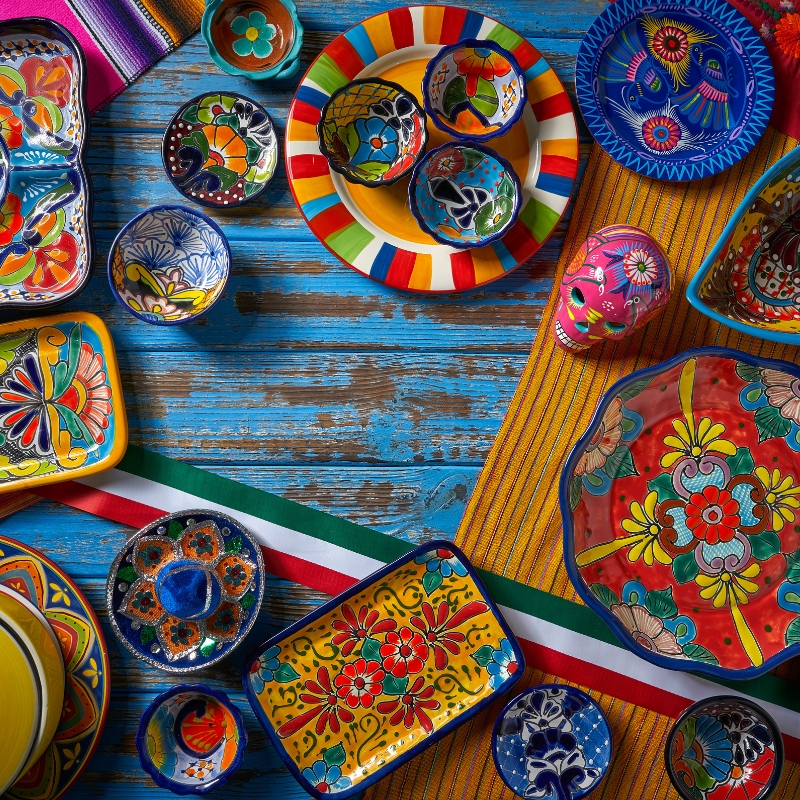
Each region specializes in particular crafts. Oaxaca is renowned for black pottery from San Bartolo Coyotepec, whimsical wooden alebrijes carved and painted in San Martin Tilcajete, and textiles woven in Teotitlan del Valle. Puebla produces stunning Talavera pottery, glazed tiles and ceramics featuring intricate patterns. Guanajuato craftspeople create decorative tinwork. Chiapas weavers make textiles with designs and techniques unchanged since pre-Columbian times. Silver jewelry made in Taxco sets standards for quality and design.
Markets throughout Mexico overflow with handcrafted goods. Unlike mass-produced souvenirs, these items represent real artistic traditions and skilled craftsmanship. Purchasing directly from artisans or in craft markets supports these traditions and provides fair compensation for skilled work. Many communities welcome visitors to workshops where you can watch creation processes and understand the time and skill required.
Mexican folk art encompasses an enormous range of styles and purposes. Retablos, small religious paintings on tin, depict miracles and answered prayers. Day of the Dead folk art includes papel picado (intricate cut paper), sugar skulls, and skeleton figures engaged in everyday activities. Masks used in traditional dances represent animals, devils, or historical figures. Tree of Life sculptures, originated in Metepec, branch into increasingly elaborate designs.
Mexican Music and Dance: The Rhythms of Culture
Music pulses through Mexican life. From mariachi bands serenading diners in restaurants to modern Mexican rock playing in hip urban clubs, music accompanies daily life and special occasions.
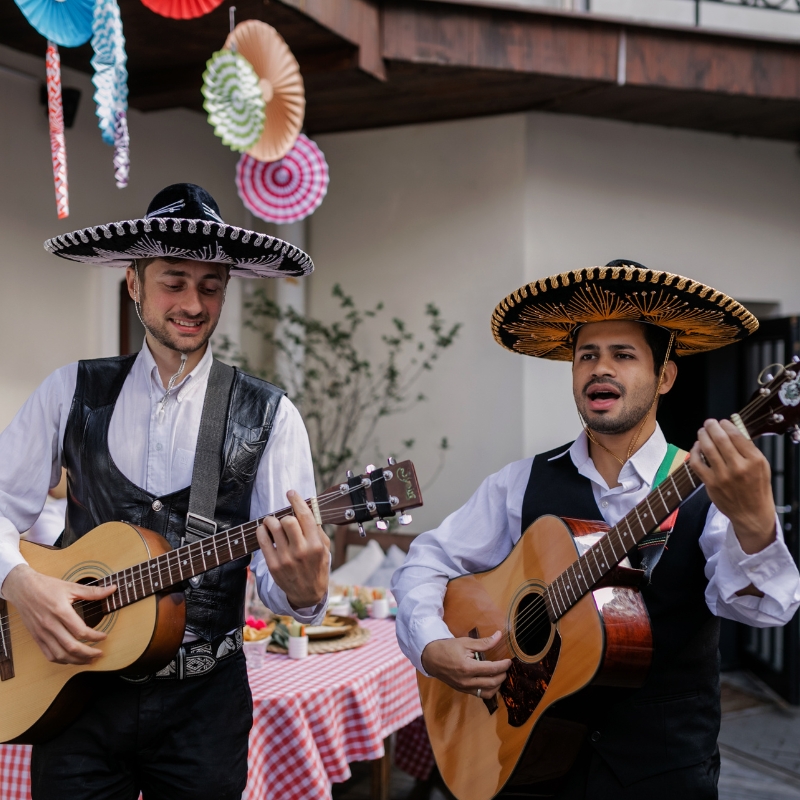
Mariachi, perhaps Mexico’s most recognizable musical tradition, originated in Jalisco state. The sight and sound of mariachi musicians in their elaborate charro suits, playing trumpets, violins, and guitars while singing passionate ballads, epitomizes Mexican musical spirit. Guadalajara’s Plaza de los Mariachis lets you experience this tradition in its heartland.
Regional musical styles reflect local cultures. Banda from Sinaloa features brass instruments and an upbeat tempo that fills dance floors. Son jarocho from Veracruz combines string instruments with improvised lyrics and intricate footwork. Marimba music dominates in southern states. Norteno music from northern Mexico tells stories of border life. Contemporary Mexican musicians blend traditional sounds with rock, pop, jazz, and electronic music, creating vibrant fusion styles.
Traditional dances vary by region, often telling stories or enacting historical events. Folkloric ballet companies throughout Mexico preserve and present these dances in theatrical settings. The Ballet Folklorico de Mexico in Mexico City offers spectacular performances featuring dances from across the country. Local festivals let you see traditional dances in their authentic contexts, performed by community members maintaining cultural traditions.
Accommodations: Where to Stay in Mexico
Finding the right accommodation enhances your Mexican travel experience. The country offers lodging for every budget, style, and preference.
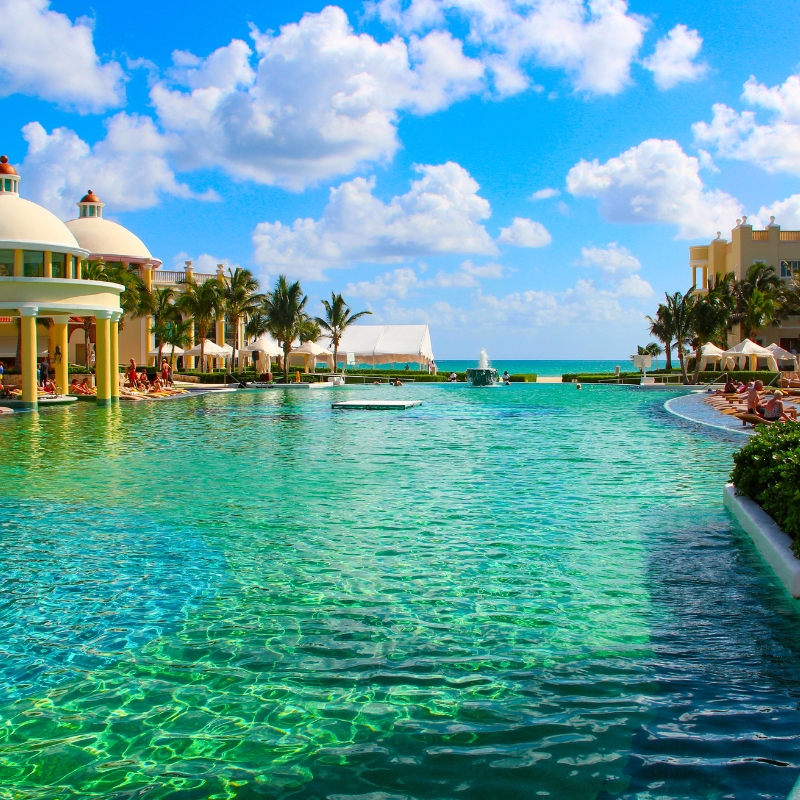
All-inclusive resorts dominate beach destinations like Cancun, Playa del Carmen, and Puerto Vallarta. These properties provide hassle-free vacations where one price covers rooms, meals, drinks, and activities. They work well for travelers wanting to relax without worrying about details. However, staying exclusively at resorts means missing opportunities to experience authentic Mexican culture and cuisine beyond the property walls.
Boutique hotels in colonial cities offer charm, character, and personalized service. Many occupy restored colonial buildings featuring courtyards, fountains, and architectural details centuries old. These hotels typically include breakfast and provide insider knowledge about their communities. They offer luxury and authenticity simultaneously.
Budget travelers find excellent hostels throughout Mexico, particularly in backpacker hubs like San Cristobal de las Chiapas, Oaxaca, and Playa del Carmen. Mexican hostels typically offer private rooms in addition to dormitories, and most include communal kitchens and social areas where travelers connect.
Vacation rentals through various platforms let you rent apartments or houses, providing space, kitchens, and neighborhoods away from tourist zones. This option works well for families, longer stays, or travelers wanting to experience daily Mexican life.
Eco-lodges and sustainable accommodations have emerged in natural areas, offering comfortable stays with minimal environmental impact. Beach cabanas, jungle lodges, and mountain retreats let you immerse in nature while supporting conservation efforts.
Traditional haciendas converted into hotels provide glimpses into colonial and post-colonial Mexican life. These former estates, once centers of agricultural production, now offer luxurious accommodations amid historic architecture and beautiful grounds.
Getting Off the Beaten Path
While major destinations deserve their popularity, some of Mexico’s most rewarding experiences await in less-visited locations. Traveling beyond the typical tourist trail reveals authentic Mexican life and spectacular sights without crowds.
Real de Catorce, a former silver mining town in San Luis Potosi, sits high in the desert mountains. This ghost town, accessible through a long tunnel, has attracted artists and spiritual seekers. The semi-abandoned streets and stunning desert landscape create an almost surreal atmosphere.
Bacalar in southern Quintana Roo centers on a lagoon of such intensely blue water it’s called the “Lake of Seven Colors.” Less developed than the Riviera Maya, Bacalar offers swimming, kayaking, and relaxation in a tranquil setting.
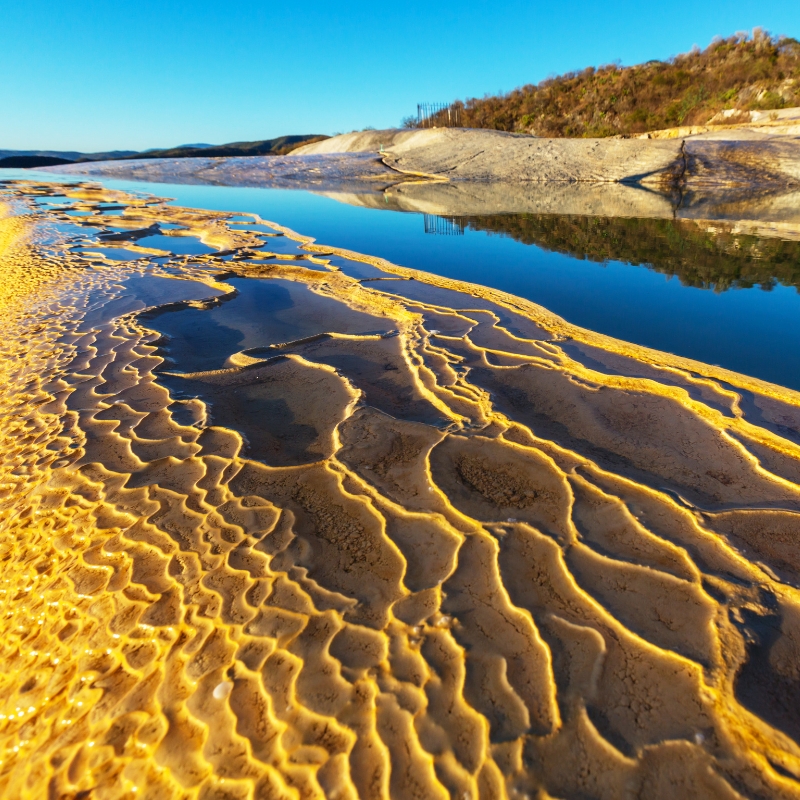
Hierve el Agua in Oaxaca features petrified waterfalls—mineral formations that look like frozen cascades. Natural infinity pools at the cliff edge provide swimming with spectacular valley views.
The Huasteca Potosina region combines waterfalls, turquoise rivers, caves, and indigenous culture in a compact area that remains relatively unknown to international travelers. Swimming in the waterfalls of Tamul or Micos provides adventure without tourist crowds.
Todos Santos on Baja’s Pacific coast attracts artists, surfers, and those seeking authentic Mexican beach town atmosphere. Its proximity to La Paz makes it accessible, but it maintains a peaceful, creative vibe distinct from resort areas.
Pueblos Magicos, a government program designating towns of historical and cultural significance, points travelers toward lesser-known gems throughout Mexico. These “Magical Towns” meet criteria for beauty, traditions, and tourism services while maintaining authentic character.
Embracing the Mexican Experience
Travel in Mexico ultimately succeeds not just by visiting famous sites but by embracing the Mexican approach to life. Mexicans value human connections, taking time to enjoy meals and conversations, celebrating with music and festivals, and greeting people warmly. Adopting this mindset transforms your visit from seeing attractions to experiencing culture.
Strike up conversations with locals. Most Mexicans are genuinely friendly and interested in visitors. A simple greeting can lead to restaurant recommendations, invitations to family celebrations, or insights no guidebook provides.
Slow down and savor experiences. Rather than rushing through a checklist of sites, spend time in fewer places. Linger over meals. Sit in plazas watching daily life unfold. Wander residential neighborhoods. Some of your best travel memories come from unplanned moments of connection and observation.
Show respect for Mexican culture and traditions. Dress appropriately when visiting churches. Ask permission before photographing people. Learn about local customs. This respect opens doors and enriches interactions.
Support local businesses and artisans. Eat at family restaurants rather than chains. Buy crafts directly from makers. Use local guides. Your tourism dollars can support communities and help preserve traditions.
Your Mexican Journey Begins Here
Mexico rewards visitors with experiences that resonate long after returning home. The flavors of authentic mole, the sight of ancient pyramids emerging from jungle, the sound of mariachi music drifting through colonial streets, the warmth of Mexican hospitality—these memories accumulate into something profound: understanding that travel at its best connects us with places, cultures, and people in ways that expand our worldview and enrich our lives.
This website exists to help you plan, experience, and maximize your Mexican travels. Whether you’re dreaming of beach relaxation, cultural immersion, culinary adventures, or historical exploration, Mexico delivers beyond expectations. The following pages provide detailed information about regions, cities, attractions, accommodations, restaurants, practical tips, and insider knowledge accumulated through extensive travel throughout this magnificent country.
Mexico welcomes you with open arms and endless possibilities. Your adventure awaits, and every journey to Mexico writes a new chapter in your life’s story. The ancient civilizations knew this land was special—they built magnificent cities and developed sophisticated cultures here. Colonial settlers recognized its riches and possibilities. Today’s travelers discover what generations before have known: Mexico possesses a magic that captivates the heart and soul.
Welcome to Mexico. Your journey begins now, and the experiences ahead will stay with you forever. Bienvenidos.