You can see the best of Mexico City in three days without feeling rushed if you focus on a few nearby neighborhoods and pick the right sights. This Mexico City 3 Day Itinerary lets you hit Centro Histórico, Chapultepec, Roma/Condesa, Coyoacán, Xochimilco, and a Teotihuacan day trip while leaving time to eat, rest, and enjoy the city’s vibe.
Start with quick planning tips so you make the most of each day—where to stay, how to get around, and which mornings to reserve for big museums or the pyramids. Then follow the day-by-day plan that balances history, parks, street food, and local neighborhoods, plus a section on must-try dishes and practical travel tips to keep your trip smooth.
Planning Your 3 Day Trip
Pick dates with mild weather, plan travel time to and from the airport, pick a neighborhood that saves transit time, and decide if you want hotels with central walking access or quieter streets. This helps you fit the main sights into three days without wasting time on long transfers.
Best Time to Visit Mexico City
The best time to visit Mexico City is late October through April. You get dry days, cooler evenings, and clearer views from Chapultepec Castle and Torre Latino. Peak months are December and February; expect higher hotel rates and bigger crowds.
May through September brings afternoon rains and hotter temperatures. You can still visit then if you don’t mind short storms and want lower prices. For spring blooms and outdoor markets, aim for March–April.
If you care about festivals, plan around Día de los Muertos (early November) or Mexican Independence Day (mid-September), but book hotels well in advance for those dates.
How to Get to Mexico City
Mexico City’s main airport is Aeropuerto Internacional Benito Juárez (MEX). From MEX, you can take an authorized taxi or a rideshare (Uber/Cabify). A typical airport ride to Centro Histórico takes 20–45 minutes depending on traffic.
You can also use the Metro from Terminal Aérea station for a low-cost option. It’s crowded during rush hour but saves money. If you fly into Toluca (TLC), plan for a 45–90 minute bus or shuttle ride to the city.
If you arrive by bus from other Mexican cities, major terminals like Terminal Norte and Terminal de Autobuses de Pasajeros de Oriente (TAPO) connect well to the Metro and taxis.
Where to Stay in Mexico City
Choose a neighborhood that matches your plans. Stay in Centro Histórico if you want walking access to Zócalo and Gran Hotel Ciudad de Mexico. That hotel gives historic charm and a rooftop view close to major museums.
Roma Norte and La Condesa suit food and nightlife lovers. They offer boutique hotels and street-level cafés within easy taxi or short Metro rides to Chapultepec. Hotel Villa Condesa is a calm, leafy option in Condesa.
Polanco fits luxury travelers who want high-end dining and Museo Soumaya nearby. Coyoacán neighborhood gives a quieter, artsy base near Frida Kahlo Museum. Zona Rosa works well for shopping and nightlife. Pick a hotel near a main Metro line or book a place close to your top sights.
Getting Around Mexico City
The Metro is fast and cheap; buy a rechargeable card and avoid rush-hour cars if you can. Lines cover most tourist areas: take Line 1 to Centro Histórico, Line 2 toward Pino Suárez for Zócalo, and Line 7 to Chapultepec (with a short walk).
Taxis and rideshares cover late nights or trips across neighborhoods like Roma Norte to Polanco. Agree on an authorized taxi or use the app for fixed fares. Buses and Metrobús serve many routes but can be slow in heavy traffic.
Walking works well inside neighborhoods such as La Condesa, Roma, and Centro Histórico. For longer trips, factor in 30–60 minutes for travel time because traffic can be heavy, especially between airport and central zones.
Day 1: Explore Centro Histórico
Start at the heart of downtown Mexico City and walk a compact loop. You’ll see the main plaza, grand churches, Aztec ruins, and landmark buildings all within a few blocks. Wear comfortable shoes and bring small bills for entry fees and snacks.
Plaza de la Constitución (Zócalo)
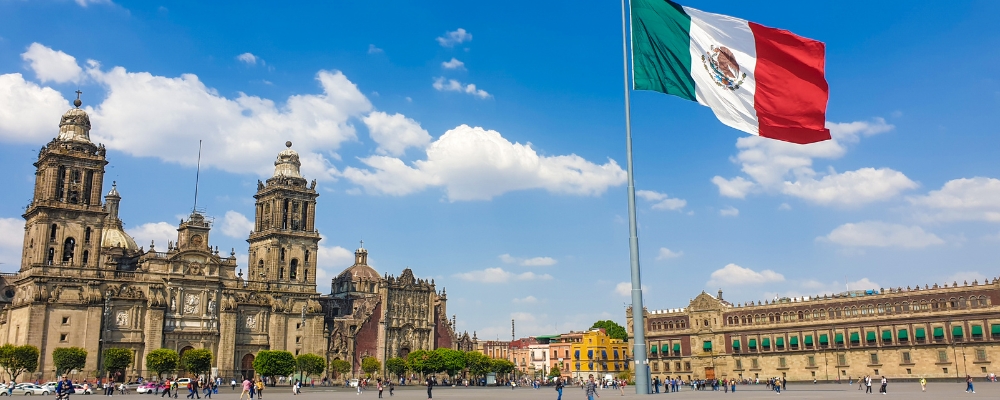
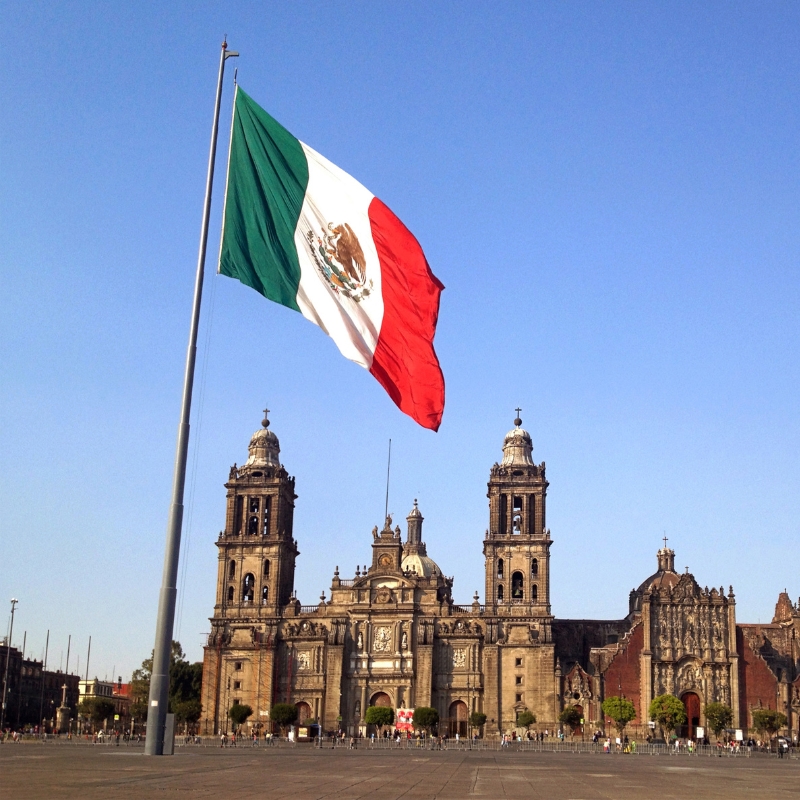
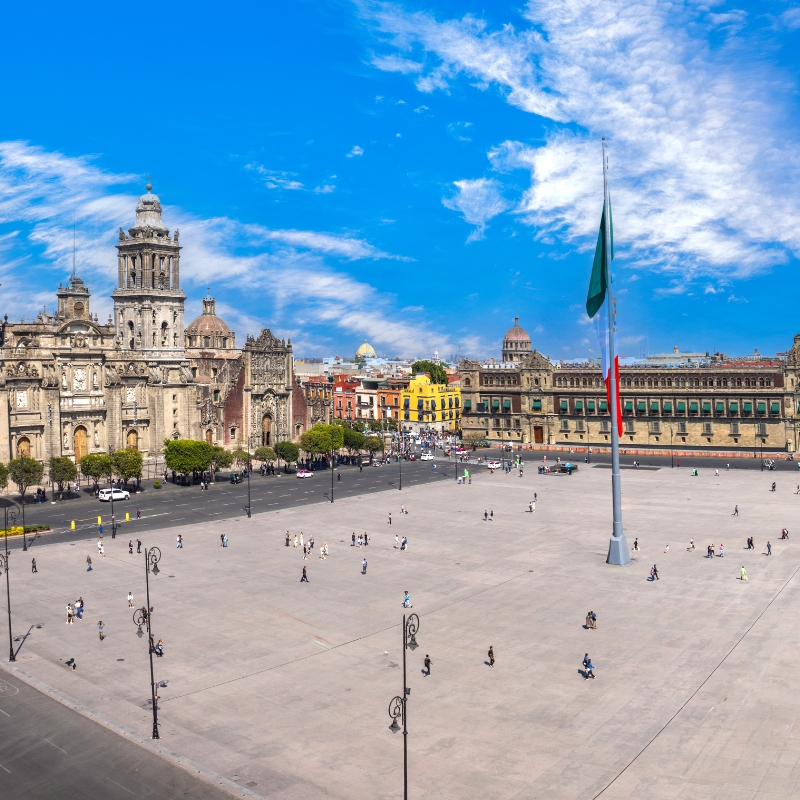
The Zócalo is Mexico City’s main square and one of the largest public plazas in the world. You’ll find it bordered by the National Palace to the east and the Metropolitan Cathedral to the north. It’s a living civic space where parades, protests, and festivals happen, so check the calendar before you go.
Look for the giant Mexican flag in the center; it’s replaced during official ceremonies. The plaza’s flat open space makes it a good meeting point and photo spot. Nearby vendors sell snacks and cold drinks, and there are benches to rest between stops.
Metropolitan Cathedral and Palacio Nacional
The Metropolitan Cathedral sits on the Zócalo’s north side and blends Gothic, Baroque, and Neoclassical styles. Enter to see ornate altars, chapels, and carved choir stalls. Respect quiet zones during services.
Across the square, the Palacio Nacional holds the federal executive offices and Diego Rivera’s famous murals depicting Mexican history. You can view several mural rooms for free; bring an ID and expect short security checks. The palace façade and courtyards are also worth photographing.
Templo Mayor and Templo Mayor Museum
Just east of the cathedral lie the Templo Mayor ruins, the main temple of the Aztec capital, Tenochtitlan. Walk the raised walkways to view stone platforms, altars, and recovered sculptures. Interpretive signs explain the site’s layout and religious significance.
The adjacent Templo Mayor Museum displays artifacts excavated here: carved stones, offerings, and daily-use objects. The museum gives context to the ruins and the city that once rose from the lake. Plan 60–90 minutes for both the archaeological site and the museum.
House of Tiles and Torre Latinoamericana
A short walk west brings you to the Casa de los Azulejos (House of Tiles), a 18th-century mansion faced in blue-and-white tiles. You can step into the ground-floor café to taste traditional snacks and admire the interior courtyard. Look up for ornate balconies and carved stonework.
Then head to the Torre Latinoamericana for sweeping city views from its observation deck. Clear days offer views across Chapultepec Park to the volcanoes beyond. The tower sits near the Palacio Postal and Bellas Artes, so you can combine a rooftop stop with visits to those nearby landmarks.
Day 2: Chapultepec, Roma Norte and Condesa
You’ll spend the day between one of the city’s largest green spaces and two walkable neighborhoods full of cafés, galleries, and parks. Expect a museum morning, a castle visit with city views, and an afternoon wandering tree-lined streets for food and people-watching.
Chapultepec Park and Chapultepec Castle
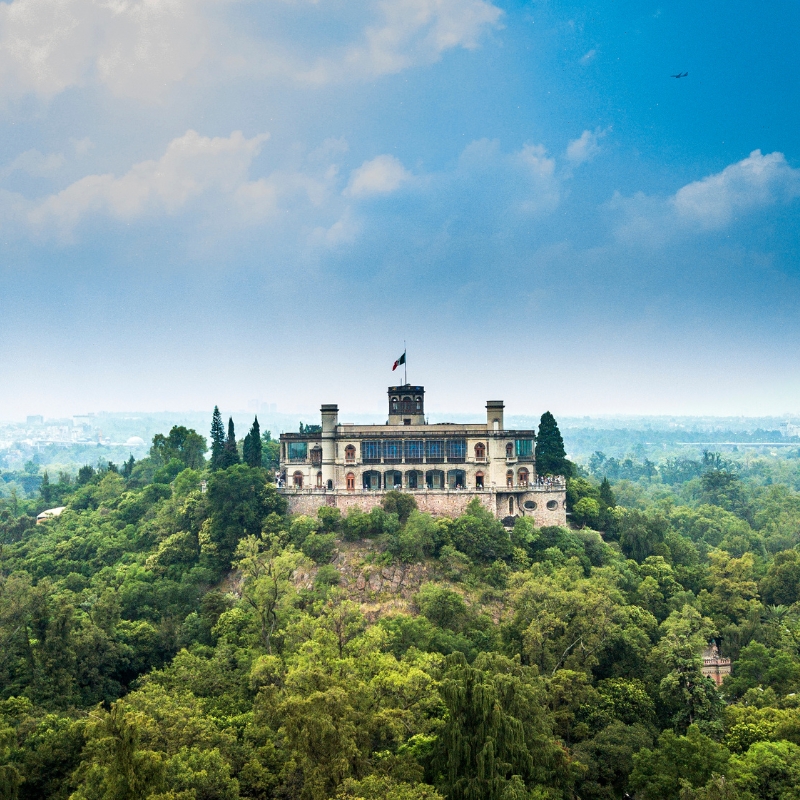
Start at Bosque de Chapultepec. Enter through the Paseo de la Reforma side to avoid long lines. Walk along shaded paths toward Castillo de Chapultepec, which sits on a hill and offers panoramic views of the city and Reforma’s skyline.
Buy a timed ticket for the castle to see the historic state rooms and Diego Rivera-related murals. Note floors can be steep and uneven; wear comfortable shoes. The grounds include gardens and small monuments where you can relax after the climb.
If you prefer a shorter visit, focus on the castle exterior, nearby viewpoints, and the surrounding park lakes. You’ll find food stalls and benches near the castle for a quick snack.
National Museum of Anthropology
The Museo Nacional de Antropología sits on the park’s eastern edge and houses Mexico’s most important archeological collections. Prioritize the Aztec Room to see the Sun Stone and the massive stone heads. Labels are in Spanish and English.
Plan at least two hours here. The museum layout is radial: artifacts spread around a central courtyard with a distinctive umbrella-like fountain. Audio guides and maps help you navigate thematic halls for Maya, Olmec, and other cultures.
Buy tickets in advance when possible. After the museum, take the short walk back through Chapultepec toward Reforma, or rest at the museum café before heading to Roma.
Roma Norte and Condesa Neighborhoods
From Chapultepec, take a short taxi or Metrobus ride to Roma Norte. Walk Postal Street and Álvaro Obregón for coffee shops, bookstores, and small galleries. Look for street art and patios tucked behind old facades.
Head south into Condesa to find a quieter, residential feel. Both neighborhoods reward slow exploration: stop for lunch at a taquería, try a modern Mexican bistro, or join a casual food tour if you want local tips.
Keep an eye on opening hours—many small galleries close early. Use a map app to plot a short loop so you don’t miss key streets and can return to a metro or rideshare pickup.
Parque México and Avenida Ámsterdam
Parque México anchors La Condesa and connects to Avenida Ámsterdam, a curved, tree-lined boulevard built on a former railway roundabout. Walk the oval path to see Art Deco architecture and dog walkers, or rest on a bench under large ficus trees.
Avenida Ámsterdam offers cafés and boutique shops on both sides. Stop at a café terrace for people-watching or sample a local panadería. The park often hosts small cultural events; check local listings if you want live music or art markets.
If you’re traveling with kids, there’s a small playground and open lawns for running. Evening light in Parque México makes it a pleasant place to end the day before dinner in Condesa or Roma.
Day 3: Coyoacán, Xochimilco and Polanco
You’ll move from the leafy, artistic streets of Coyoacán to the colorful canals of Xochimilco, then finish with upscale shops and museums in Polanco. Expect walking, a museum visit with timed entry, a boat ride, and an afternoon of dining or gallery-hopping.
Frida Kahlo Museum (La Casa Azul)
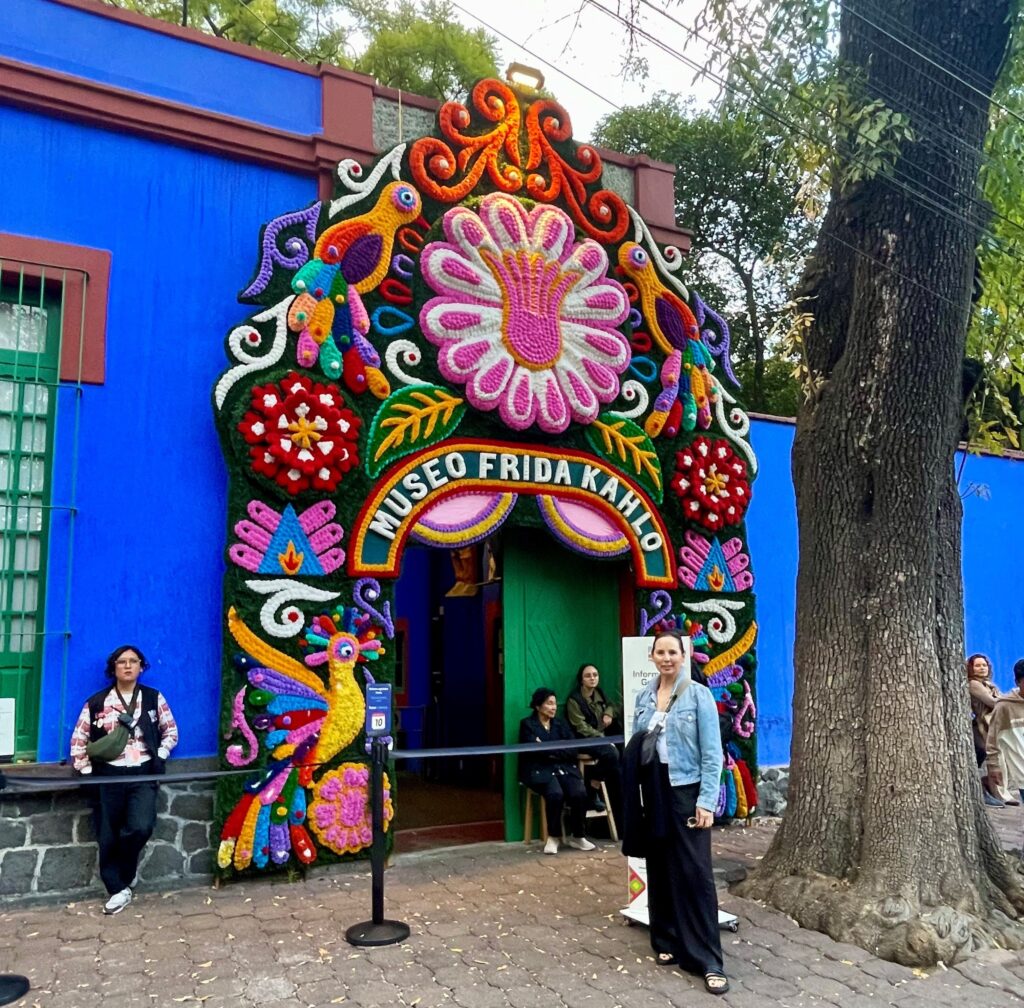
The Frida Kahlo Museum (La Casa Azul) sits in Coyoacán and often sells out, so buy timed tickets online well before your trip. You’ll enter the blue courtyard where Frida lived and see her paintings, personal items, and the studio where she worked.
Inside, look for original artworks, her clothing, and Diego Rivera’s sketches that reveal their life together. Photography rules are strict in some rooms, so follow staff instructions. Plan 60–90 minutes to tour without rushing. If lines form, arrive 15 minutes early for your slot.
Coyoacán Market and Neighborhood
Coyoacán market lies a short walk from La Casa Azul and offers tacos, tamales, and churros plus artisan crafts you can take home. Try tostadas or quesadillas at a stall, then browse hand-made textiles, pottery, and colorful alebrijes.
Stroll the plaza, visit small galleries, and peek into colonial churches around Jardín Centenario. The Museo Mural Diego Rivera is nearby if you want to see Rivera’s large mural and learn the political history that tied him to Frida. Wear comfortable shoes; streets are cobblestone and full of small cafés where you can rest.
Xochimilco Canal Experience
Take a taxi or rideshare south to Xochimilco for a trajinera ride on the canals—book a boat or join a shared one. Prices vary by time and whether you hire a mariachi or food vendors; agree on a price before leaving the dock.
During a 45–90 minute ride you’ll float past chinampas (floating gardens) and small vendors selling elotes and drinks. Day trips feel relaxed; evening rides get livelier with music and lights. Bring sunscreen and water. If you want fewer crowds, aim for early morning departures on weekdays.
Polanco and Avenida Presidente Masaryk
Polanco offers a contrast: high-end boutiques along Avenida Presidente Masaryk and world-class museums like Museo Soumaya and Museo Jumex. Walk Masaryk for designer shops, then head to the nearby Museo Nacional de Antropología if you’d prefer archaeology over shopping.
Stop for dinner at an upscale restaurant or try a modern Mexican spot in Polanco’s side streets. Transit back to your hotel is easy by taxi or rideshare, but allow extra time for Friday and Saturday traffic. If you still have energy, stroll through Lincoln Park for a quiet end to the day.
Day Trip to Teotihuacan Pyramids
Expect a full morning or afternoon exploring a large archaeological site about 50 km from Mexico City. You’ll see two huge pyramids, walk the Avenue of the Dead, visit a small museum, and choose between guided tours, buses, or private transfers.
Teotihuacan Pyramids Overview
Teotihuacan sits in a wide valley about an hour from central Mexico City. The archaeological zone covers plazas, pyramids, and residential compounds laid out on a clear grid. Entrance usually costs a small fee and includes access to the on-site museum.
Plan to spend 3–5 hours if you want to climb pyramids, see the museum, and walk the main avenue. Bring water, sun protection, and comfortable shoes. Weekends and holidays get busy; arrive when gates open at 9:00 to beat crowds and heat.
Pyramid of the Sun and Pyramid of the Moon
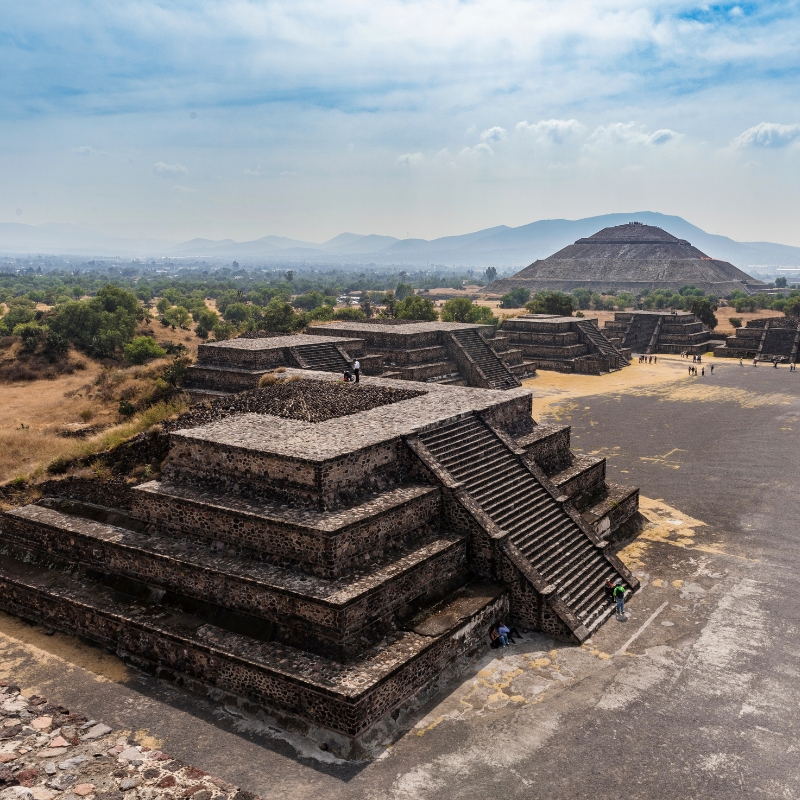
The Pyramid of the Sun is the largest structure you’ll climb. It has steep steps and about 248 steps from base to top. From the summit you get views across the Avenue of the Dead toward the Pyramid of the Moon.
The Pyramid of the Moon sits at the north end of the avenue. It’s smaller but offers a close view of the site’s ceremonial plazas and the platforms used for public rituals. Both pyramids contain archaeological layers and past excavations; climbing gives context but expect crowded stairways.
Avenue of the Dead and Temple of Quetzalcoatl
The Avenue of the Dead runs about 2.5 km through the site and connects the major plazas and pyramids. Walk sections of the avenue to reach smaller platforms, palaces, and viewpoints. The scale helps you see how Teotihuacan functioned as a city, not just a temple complex.
The Temple of Quetzalcoatl (Temple of the Feathered Serpent) sits inside the Citadel near the avenue. Look for carved serpent and feathered-head motifs on the façade. Excavations there revealed burials and offerings; the temple’s stepped tiers and decorative stonework are among the site’s most detailed features.
How to Take a Teotihuacan Tour
You can go by public bus from Terminal Norte (Autobuses del Norte). Buses to “Los Pirámides” run often; a round-trip ticket is inexpensive and seats are assigned. Travel time is roughly one hour each way, depending on traffic.
Guided tours and private drivers leave from hotels across the city and often include hotel pickup and skip-the-line entry. Choose a guided tour if you want historical context and a faster visit. If you prefer flexibility, take the bus or an independent taxi/Uber and bring a map or download an offline guide.
Must-Try Food and Dining Experiences
You will find a mix of quick street bites, lively markets, refined restaurants, and late-night mezcal bars. Expect bold flavors, fresh ingredients, and places locals swear by.
Street Food and Tacos al Pastor
Tacos al pastor are a must. Look for shawarma-style vertical spit meat cooked with pineapple, thin corn tortillas, and bright salsas. Go early or late night; lines at Los Cocuyos in the historic center are common but move fast and are worth it.
Try small taquerías where the trompo turns and the cook slices meat into warm tortillas. Order a few tacos with different salsas and a squeeze of lime. Also sample other street classics like esquites or grilled chapulines if you want a true local bite.
Carry small bills, napkins, and hand sanitizer. Eat standing at the counter or on a nearby bench to keep the experience authentic.
Traditional Markets and Mercado Roma
Visit markets for fresh, regional food and unusual ingredients. Mercado de San Juan specializes in gourmet and exotic items—seafood, chapulines, and house-made cheeses. Vendors sell single portions so you can taste without committing to a full meal.
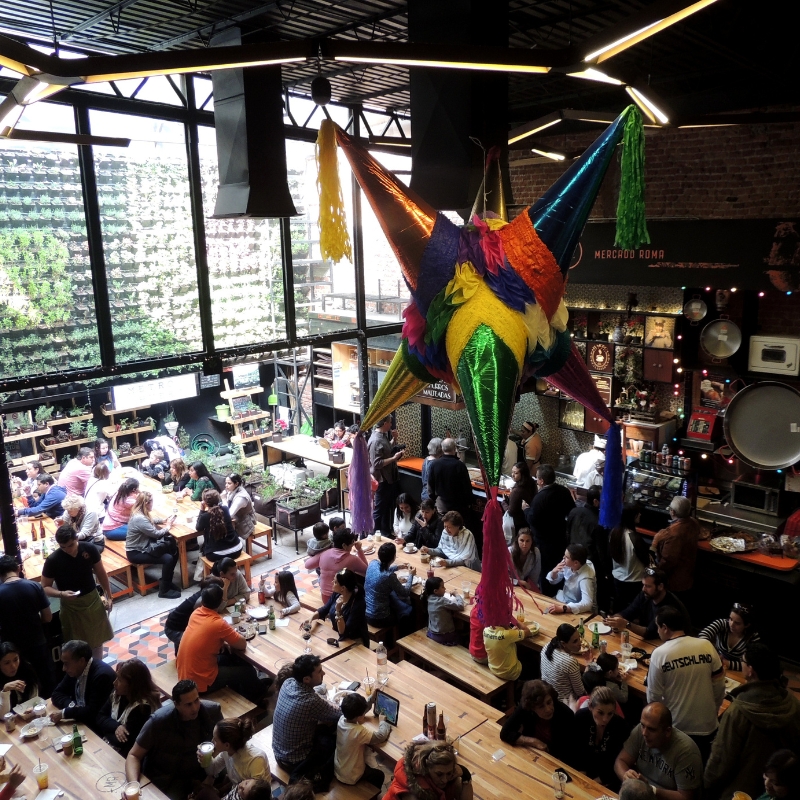
Mercado Roma mixes stalls and sit-down options. You’ll find shared tables, craft beer, and small plates from local chefs. Use Mercado Roma to sample mole alongside contemporary tacos or to buy artisanal chocolate to take home.
Markets move fast. Walk, look, and then choose one or two stalls to try. Ask vendors for recommendations; they often point you to the best, freshest dishes.
Top Restaurants and Cafés
Mexico City has world-class dining alongside cozy cafés. Reserve ahead for places like Contramar for seafood and Enrique Olvera’s spots if you want high-end, modern Mexican tasting menus. Contramar’s tuna tostadas and pescado a la talla are signature orders.
For coffee and pastries, hit Café de Tacuba or Café Nin. They offer relaxed mornings with reliable coffee and baked goods. For bakeries and casual dining, Panadería Rosetta and Lardo are popular choices in Roma and Condesa.
If you prefer craft cocktails, Licorería Limantour tops many lists; it’s busy, so plan a reservation or arrive early. Keep an eye out for small, chef-driven spots where you can try regional dishes updated with modern technique.
Nightlife and Mezcal Tasting
Nightlife blends bars, speakeasies, and live venues. For classic cocktails and a bustling scene, Licorería Limantour fits the bill. For a hidden vibe, seek out Handshake Speakeasy—look for the discreet entrance and a curated cocktail menu.
Mezcal tasting can be casual or guided. Many mezcalerías offer flights so you can compare joven, reposado, and añejo styles. Ask for mezcal with a small tasting plate like tortilla chips and salsa to cleanse your palate between sips.
If you want live events, check schedules at Arena México for lucha libre shows, then grab tacos afterward. Stay aware of closing times and transport options when planning late nights.
Mexico City Travel Tips
You’ll find practical advice here to stay safe, get around, and respect local customs. These tips focus on real actions you can take in CDMX to enjoy museums, parks, markets, and restaurants with less stress.
Essential Safety Tips
Carry a copy of your passport and leave the original in your hotel safe when possible. Keep small bills and cards in different places so you aren’t left stranded if a wallet is lost or pickpocketed.
Use ride apps like Uber or DiDi instead of hailing street cabs, especially at night. When walking, stick to busy, well-lit streets in Condesa, Roma, Centro Histórico, and Coyoacán. Avoid quiet areas after dark.
Watch your belongings in crowded spaces — markets, the metro, and tourist sites like Zócalo and Xochimilco attract pickpockets. If you feel uncomfortable, move to a shop or cafe and call for a safe ride.
Buy travel insurance that covers medical care and theft. Keep emergency numbers handy: local police (911), your country’s embassy, and your insurer’s hotline.
Navigating Public Transit
The metro is cheap and fast; a single ride costs very little and connects many major sights. Avoid rush hour (roughly 7–9am and 6–8pm) when trains and platforms get extremely crowded.
For places not served by the metro, use Metrobus, RTP buses, or shared minibuses. Buy a rechargeable Metro Card (Tarjeta CDMX) at stations to save time and tap for transfers.
Taxis from the street are riskier. If you must use one, ask your hotel to order a taxi or use a ride-hail app so you have driver and plate info. For airport transfers, prebook an authorized airport taxi or use the official ride apps.
Bring a small backpack or crossbody bag that zips closed. Keep your phone in a front pocket when following maps. Plan routes ahead and download offline maps for areas with spotty data.
Cultural Etiquette and Local Customs
Greet shopkeepers and service staff with a quick “buenos días” or “buenas tardes.” Politeness goes a long way in markets, small restaurants, and museums.
Tipping is customary: 10–15% in restaurants if service isn’t included, a few pesos for restroom attendants, and small tips for guides and drivers. Carry small bills for tips and street vendors.
Dress casually but neatly in most neighborhoods. You won’t need formal wear for museums or markets, but bring a light jacket for higher-altitude evenings and cooler sites like Chapultepec Park.
When visiting churches or historic sites, respect signs and photography rules. Ask before photographing people, especially in Coyoacán markets or when interacting with artisans.