You can visit Mexico City safely if you plan where you stay, watch your surroundings, and use common-sense precautions. Stick to well-known neighborhoods, use trusted transport, and avoid flashing valuables to cut your risk significantly.
This article shows the real picture of safety in CDMX: what crimes tend to affect travelers, which neighborhoods feel safest, how to get around smartly, and practical tips for enjoying museums, markets, and restaurants without unnecessary risk. Expect clear, practical steps you can use before and during your trip to keep your time in the city smooth and secure.
Is Mexico City Safe? The Real Picture
Mexico City has safer neighborhoods and higher-risk areas. Your chance of trouble depends on where you go, how you travel, and what precautions you take.
Perceptions vs Reality
Tourist stories often focus on violent crime, but most visitor problems are petty theft like pick pocketing and bag snatching. If you stay in neighborhoods such as Roma, Condesa, Polanco, or Coyoacán, you’ll find many well-lit streets, tourist services, and active police presence.
Media headlines can make the whole city seem dangerous. In reality, violent incidents that target tourists are uncommon. Use common-sense steps: keep phones out of sight, carry minimal cash, use ride-hailing apps, and avoid poorly lit side streets at night. These actions lower your risk more than avoiding the city entirely.
Safety Statistics and Trends
Crime reporting shows higher rates for theft and non-violent offenses in crowded places like metro stations, markets, and major tourist sites. Violent crime exists but is concentrated in specific neighborhoods outside the central tourist areas.
Local authorities and apps track incidents by neighborhood, and data from recent years show stable or improving safety in many central boroughs. Watch official travel advisories and local safety apps for current alerts. Carry a copy of emergency numbers and your embassy’s contact info when you travel.
Safety in Mexico Compared to Other Cities
Mexico City ranks lower than the safest global cities but performs better than many places in Mexico with high organized-crime activity. Compared with U.S. and European capitals, you may see more petty theft risk, but major violent crime against tourists is less common in the central zones you’re likely to visit.
Transportation risks differ: the metro is cheap and busy but has a higher pickpocket risk than rideshares. Taxis that are not regulated carry more risk than apps like Uber or Didi. Choose neighborhoods and transport options wisely to make your trip as safe as possible.
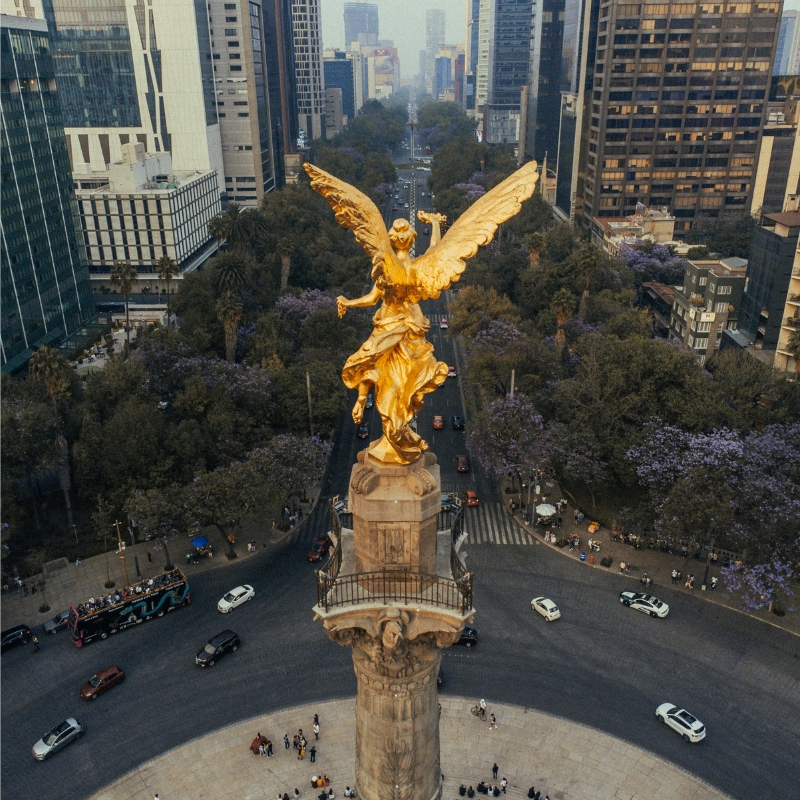
Crime in Mexico City: What Tourists Need to Know
Mexico City has crime that mainly targets belongings, and police or private security are visible in many tourist areas. You should expect crowded public transport, busy markets, and some neighborhoods where extra caution is needed.
Types of Crime Affecting Visitors
Most crimes affecting you are non-violent and focused on stealing property. Pickpocketing, bag snatching from sidewalks, and theft from cars occur in busy places like the metro, markets, and tourist sites. Scams also target visitors — common ones include taxi overcharging, fake petitions, and people posing as officials asking to check your passport.
Violent crime against tourists is relatively rare but not unheard of. Avoid isolated streets at night and don’t accept rides from unregistered taxis. If you carry cash, split it and keep a backup card in your hotel safe. Use a money belt or crossbody bag with zippers and keep it in front of you in crowds.
Petty Theft and Pickpocketing
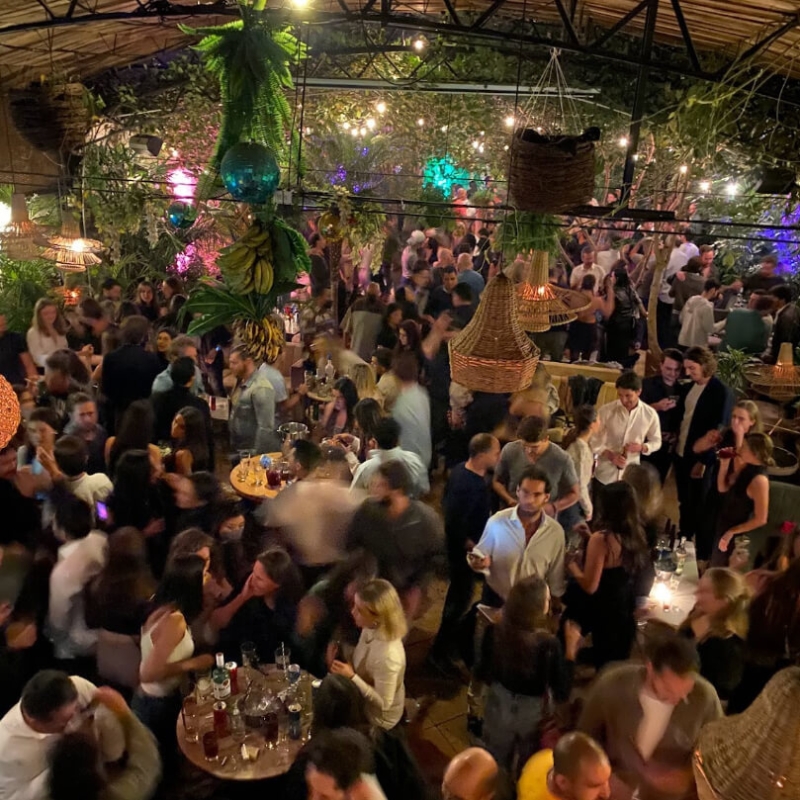
Pickpocketing happens most on the metro, buses, and in crowded plazas. Thieves work in groups and use distractions like spilled drinks or loud arguments to steal phones and wallets. Market stalls and tourist sites also see opportunistic grabs.
Practical steps protect you: keep your phone in a front pocket, use a bag with locking zippers, and avoid showing large amounts of cash. When using the metro, stand near other travelers and stay alert at transfers. If a bag is grabbed, do not chase the thief; report the incident to transit staff or police and cancel cards immediately.
Police Presence and Emergency Services
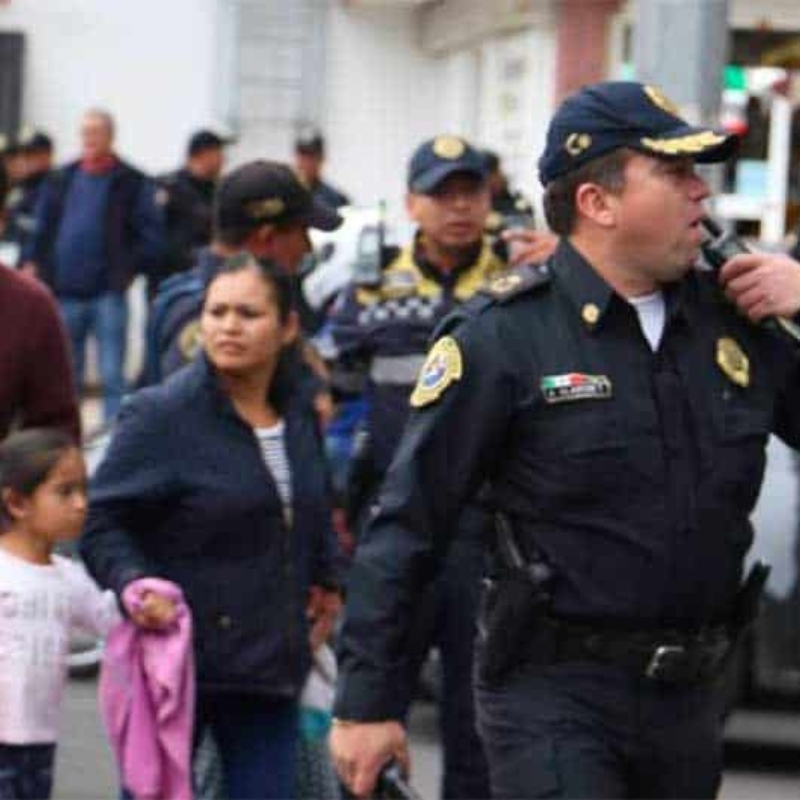
You will see municipal police and private security in neighborhoods like Polanco, Condesa, and Roma. Tourist police units operate near major attractions and some stations display English-speaking staff. Response times vary — central areas usually get quicker service than outer districts.
For emergencies, call 911 for police, medical, or fire. If you need consular help, contact your embassy; they can assist with lost passports or major crimes. Keep a printed or digital copy of emergency numbers and your hotel address. Report crimes to both local police and your embassy for documentation and follow-up.
Safe and Risky Neighborhoods
Mexico City has several neighborhoods that are secure and walkable, plus others you should avoid or visit only during the day. Know where you plan to stay, how you will get around, and which areas to skip after dark.
Safest Places to Stay in Mexico City
Polanco, La Condesa, and Roma Norte offer the best mix of safety and convenience. Polanco has high-end hotels, heavy police presence, and private security at many buildings. You’ll find easy access to museums and shops, plus reliable taxis and ride-hail pickups.
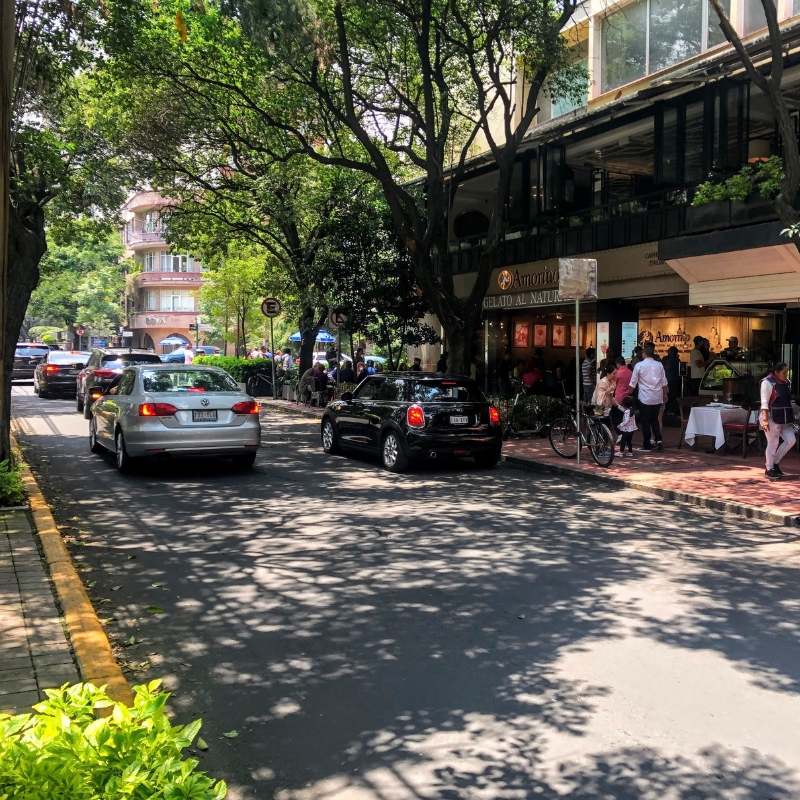
La Condesa and Roma Norte have tree-lined streets, lots of cafes, and well-lit nightlife. They’re popular with expats and tourists, so restaurants and bars stay busy and safer at night. Coyoacán and Santa Fe suit different needs: Coyoacán is quieter and historic, good for daytime sightseeing; Santa Fe is modern and business-focused, better for business travelers.
When booking, choose hotels near main avenues or official taxi stands. Confirm 24-hour reception and read recent guest reviews about safety and street lighting.
Areas to Avoid and Why
Tepito, Iztapalapa, and parts of La Merced have higher crime rates and gang activity. Tepito is known for organized theft and should be avoided entirely, especially after dark. Iztapalapa experiences violent crime in some neighborhoods; do not walk there alone.
La Merced, near the historic center, is crowded and a hotspot for pickpocketing and scams. Avoid narrow market alleys with a lot of foot traffic if you carry valuables. Doctores and Guerrero can pose risks at night, even though they border safer neighborhoods.
If you must pass through riskier areas, travel during daylight, use a trusted taxi or ride-hailing app, and keep bags closed and in front of you. Don’t show expensive phones or jewelry in crowded streets or public transit.
Navigating Centro Histórico and Tourist Areas
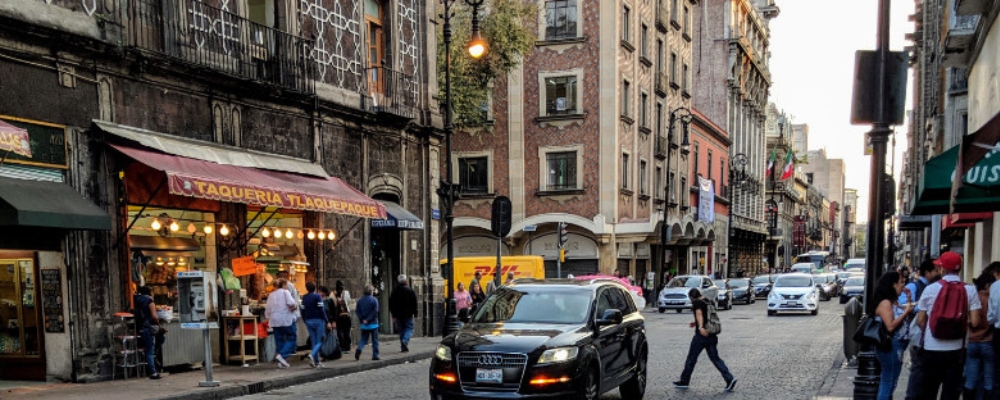
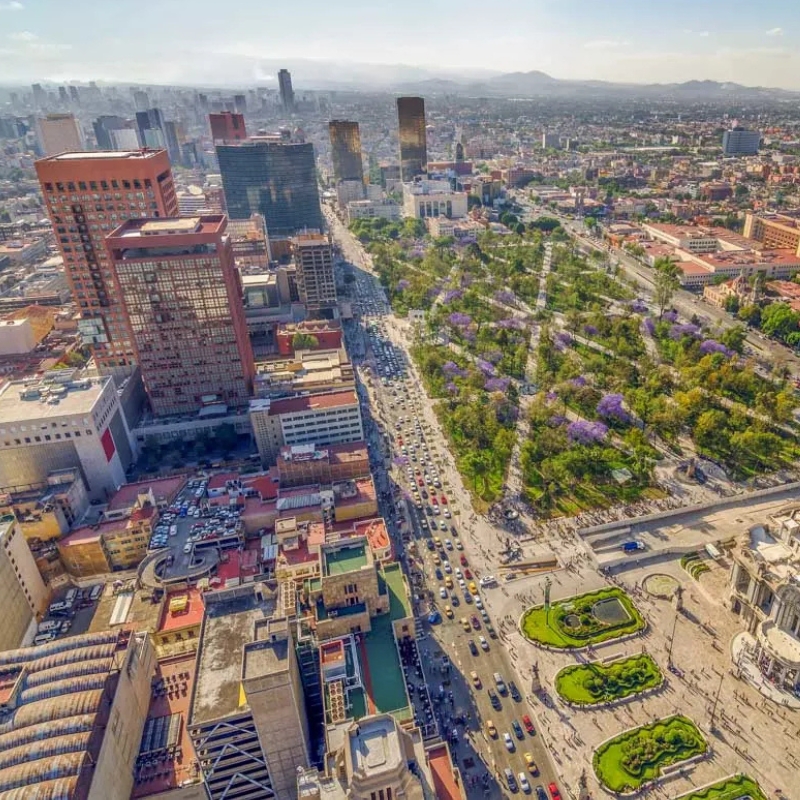
Centro Histórico hosts major sights like the Zócalo and Palacio de Bellas Artes, but you must stay alert. Daytime has heavy police patrols and many visitors, which lowers serious crime risk. Pickpocketing and bag-snatching happen in crowded plazas, markets, and on public transit.
Stick to broad, well-lit streets and official parking or taxi zones when leaving museums or restaurants at night. Use landmarks to orient yourself and memorize your hotel address in Spanish. If you take the Metro, ride during off-peak hours when possible and keep your bag zipped and close.
For tours and nightlife, join guided groups or go to restaurants with good reviews. If a street feels empty or poorly lit, use a taxi or ride-hail to cross it instead of walking.
Getting Around: Transportation and Road Safety
Mexico City has many transport choices with trade-offs between cost, speed, and safety. Pick the option that fits your time, budget, and how comfortable you feel in crowds or heavy traffic.
Using Metro, Buses, and Ride Apps
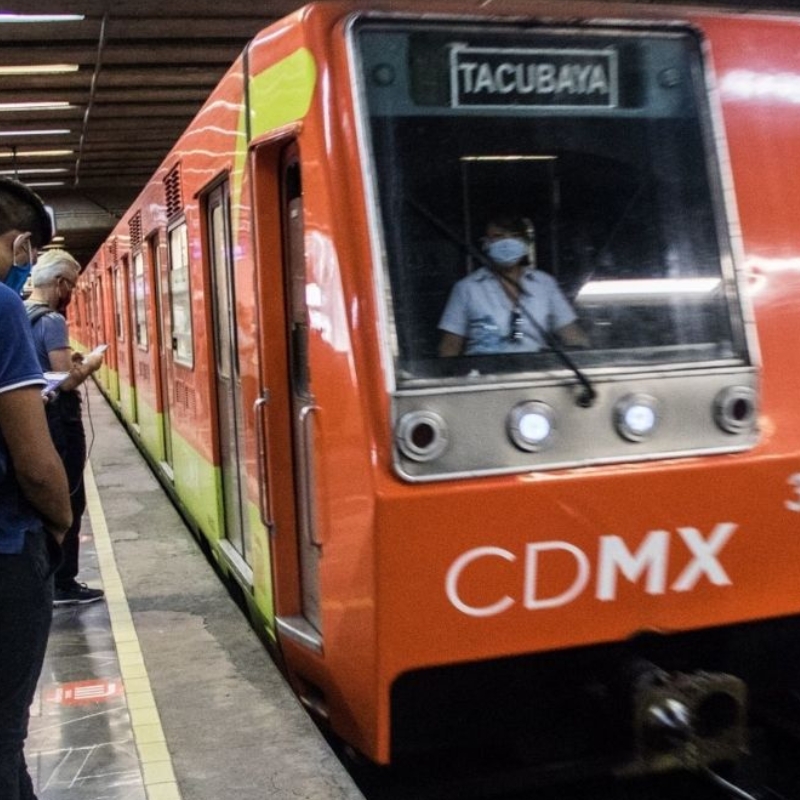
The Metro (subway) is the cheapest and fastest for long distances. Trains run from about 5 AM to midnight and get very crowded during rush hours (roughly 7–9 AM and 6–8 PM). Keep valuables in a zipped bag worn in front and avoid using your phone in packed cars. Women can use the women-only cars near the front during peak hours for extra comfort.
Metrobus and RTP buses serve major corridors with fewer stops and less crowding than the Metro. Carry small change and a charged mobility card (Tarjeta de Movilidad Integrada). Local bus routes can be slower and harder to navigate if you don’t read Spanish.
Use ride-hailing apps (Uber, DiDi) for late trips or when you want door-to-door service. Verify the plate, driver name, and route before you get in, and share your trip with someone you trust.
Street Taxis vs Ride-Hailing Apps
Street taxis (libres) can be convenient but carry higher risk of scams or disputes. If you must use a street taxi, take one from an official taxi stand (sitio) at hotels or major stations. Note the taxi number and avoid unmarked cars.
Ride-hailing apps give you driver details, a trackable route, and digital payment. Always check the app’s plate number and the driver photo against the car before entering. Sit in the back seat and confirm the destination aloud so the driver sees it in the app. For late-night or isolated trips, prefer ride apps over hailing on the street.
If a driver deviates from the expected route or you feel unsafe, cancel the ride in the app and request help from your contacts or local authorities.
Driving in Mexico City: Risks and Best Practices
Driving in Mexico City exposes you to heavy traffic, aggressive lane changes, and complex one-way streets. Plan routes with a reliable GPS and avoid rush hours if possible. Parking can be scarce; use paid private lots (estacionamientos) rather than street parking to reduce theft risk.
Watch for informal stops, motorbikes between lanes, and pedestrians stepping into traffic. Traffic enforcement can be inconsistent; keep your documents handy and don’t offer bribes. If you rent a car, choose full insurance and inspect the vehicle carefully for damage before driving away.
When entering busy or unfamiliar neighborhoods, lock doors and roll up windows. If you break down, stop in well-lit, populated areas and call your rental company or a tow service rather than accepting help from strangers.
Safety Tips for Mexico City Travelers
Follow practical steps to lower your risk: stick to well-known neighborhoods, use trusted transport, watch your belongings, and carry copies of important documents. Plan routes ahead and share your itinerary with someone you trust.
General Advice for All Visitors
Choose where you stay carefully. Favor neighborhoods like Polanco, Roma Norte, Condesa, or Coyoacán for hotels, restaurants, and safer walking at night. Book accommodations with good reviews and 24-hour front desk service.
Use authorized transport. Request rides through Uber, Didi, or hotel-arranged taxis. If you take the Metro during the day, keep your bag zipped and in front of you to deter pickpockets.
Carry copies of your passport and one emergency contact card. Leave the original passport in your hotel safe when possible. Keep small amounts of cash and a separate backup card in a different place.
Avoid demonstrations and poorly lit streets. If a protest forms, move away calmly. Walk in groups after dark and prefer busy, well-lit avenues. Learn basic Spanish phrases for asking directions or help.
Safety Tips for Americans and International Tourists
Register with your embassy or consulate before travel. The U.S. Smart Traveler Enrollment Program (STEP) or your country’s equivalent lets the embassy contact you during emergencies.
Know local emergency numbers: 911 handles police, fire, and medical. Save the nearest embassy and a trusted hotel phone in your phone and on paper.
Be cautious with nightlife. Drink from sealed bottles, watch your drink being opened, and use a ride app to return to your hotel. Keep an eye on your credit-card receipts and monitor transactions.
Carry health essentials. Use bottled water or treated water for drinking. Pack any prescription meds in original containers with a copy of the prescription to avoid issues at pharmacies or customs.
How to Protect Yourself Against Common Scams
Watch for distraction scams on public transport and in crowded markets. If someone spills something or creates a commotion, hold your belongings close and step away. Scammers often work in pairs.
Use visible prices and ask for receipts. At markets and with street vendors, agree on the price before you buy. For taxis, use ride-hail apps that show route, driver photo, and fare estimate.
Avoid unofficial tour offers and timeshare pitches. If someone offers a “special deal” on tours or hotels, decline and book through reputable agencies or your hotel concierge.
Confirm ATM security. Use ATMs inside banks or malls. Inspect the machine for tampering and shield your PIN when you type it. If a machine retains your card, contact the bank immediately.
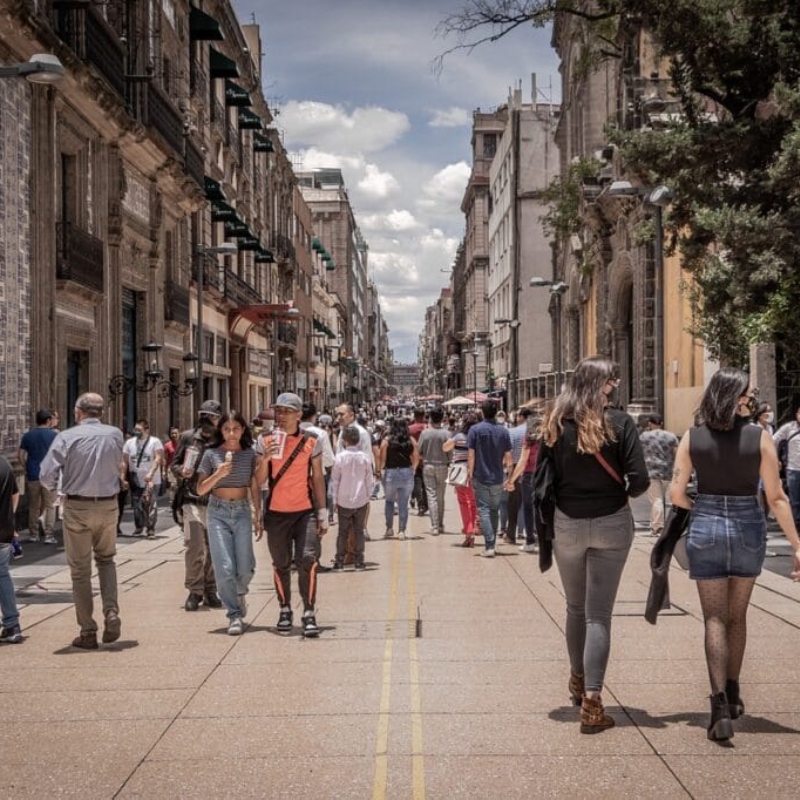
Experiencing Mexico City Safely: Attractions and Activities
You can enjoy world-class museums, lively neighborhoods, and the Frida Kahlo Museum with simple precautions. Stay in well-known areas, use trusted transport, and watch your belongings.
Enjoying Museums and Landmarks
Major museums like the National Museum of Anthropology and Palacio de Bellas Artes have clear security and visitor services. Buy tickets online when possible to avoid lines and show your ID at entrances. Keep a small day bag with a zipped pocket and carry only what you need—phone, card, and a copy of your passport.
Walk on busy, well-lit streets between sites and use official tourist pedestrian routes in zones such as Polanco, Centro Histórico, Roma, and Condesa. If you take public transit, avoid rush-hour crowding to reduce pickpocket risk. For guided tours, pick agencies with verified reviews and confirmed meeting points.
Practical tip: note the museum’s emergency exits and restroom locations when you enter. That small habit speeds your movements and reduces stress if plans change.
Nightlife and Evening Precautions
Stick to neighborhoods known for nightlife—Condesa, Roma Norte, and Polanco—where police and private security are more visible. Use ride-hailing apps or hotel-recommended taxis to get home; request the driver’s name and plate before you enter the vehicle.
If you drink, watch your drink and stay with people you trust. Avoid isolated streets or dimly lit parks after midnight. Carry a small amount of local cash and one credit card; leave extra cards and passport in your hotel safe.
Safety checklist:
- Share your route with someone.
- Keep your phone charged and portable charger handy.
- Use well-reviewed venues and ask staff about late-night exits.
Visiting the Frida Kahlo Museum Safely
The Frida Kahlo Museum (Casa Azul) is in Coyoacán, a popular daytime neighborhood. Buy timed-entry tickets online weeks ahead, especially during high season, to avoid long waits and entry problems. Arrive during daylight and walk from the nearby main plaza rather than from quieter side streets.
Keep valuables out of sight inside the museum and follow staff instructions for photography and room access. If you plan to visit surrounding stalls and markets, use a crossbody bag closed with zippers and keep it in front of you.
Transportation tips: take an authorized taxi or an app-based ride to and from the museum. If using public transit, get off at the closest station during daylight and follow busy pedestrian routes to the museum entrance.